Emergency Vet in Ahmedabad
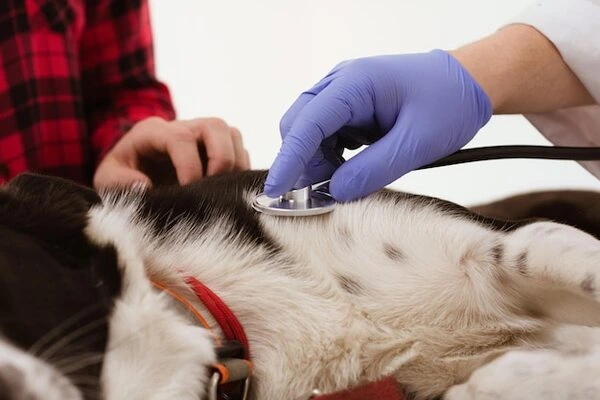
Looking for a reliable emergency vet in Ahmedabad? Your search ends here with our premium pet care solutions. We understand the deep bond between humans and pets in Ahmedabad, which is why our Emergency vet is so compassionate. Regular training ensures that our team is updated with the latest advancements in global veterinary medicine. From high-quality diet tips to exercise routines, we offer a complete package for your pet's long-term health. In critical situations, our emergency team provides immediate stabilization and life-saving treatments for your pets. We maintain a strictly hygienic and sanitized environment in Ahmedabad to prevent any risk of cross-infection. We use the most advanced medical tools available in the industry to ensure the best outcomes for your pets in Ahmedabad. Transparency in pricing and procedures makes us a preferred choice for the pet owner community in the area. Our mission is to set a new standard for pet care in Ahmedabad. Experience the difference with our expert team. We also provide detailed guidance on home-based care to help you maintain your pet's health between visits. Our facility is equipped with safe recovery areas and monitoring systems for pets undergoing treatments. Communication is key for us, so we always keep Ahmedabad pet parents informed about every step of the treatment.
Emergency Vet Ahmedabad – Your Complete Guide to Urgent and After-Hours Veterinary Care in the Manchester of India
Emergency veterinary care in Ahmedabad presents a realistic landscape that informed pet owners should understand before any emergency arises — one where extended-hours clinics and responsive practitioners provide meaningful after-hours coverage, but where the comprehensive 24-hour specialist animal hospital infrastructure available in Mumbai or Bangalore is not yet standard across the city. This reality makes emergency preparedness more important in Ahmedabad than in those more extensively emergency-equipped cities, while the one-hour Mumbai air connection provides the specialist emergency access that the most complex cases may genuinely require. The city's most specific and most important emergency scenario — summer heat stroke during the April-June peak — is both the most common and the most preventable emergency in Ahmedabad, and the pre-season preparation described throughout this guide is its most effective management. This comprehensive guide covers everything Ahmedabad pet owners need to know about emergency veterinary care — recognising genuine emergencies, understanding local coverage options and their realistic capabilities, the specific emergency scenarios that Ahmedabad's climate creates, costs, the preparedness framework that this city's emergency landscape makes genuinely important, and when and how to use the Mumbai air option for the cases that genuinely benefit from specialist emergency capability.
Emergency preparation in Ahmedabad is not optional guidance — it is the responsible baseline for any pet owner in a city whose most common emergency category is preventable with preparation and rapidly fatal without it. Prepare before the summer, prepare before the monsoon, and have the contacts and logistics ready before they are urgently needed.
Recognising Genuine Emergencies in Ahmedabad
Genuine emergencies requiring immediate action include the universal critical presentations: breathing difficulty; collapse; uncontrolled bleeding; suspected poisoning; GDV in large breeds; urinary obstruction in male cats; seizures lasting more than five minutes; severe trauma; and any rapidly deteriorating condition. In Ahmedabad's specific context, heat stroke is the additional emergency category deserving special emphasis — both for its high frequency during the April-June peak and for the time-criticality of the response window.
Heat stroke signs in Ahmedabad's context: extreme panting that does not slow with rest; excessive drooling; sudden profound weakness or collapse; confusion or inability to stand; brick-red or pale gums; seizures or loss of consciousness after heat exposure. Any of these signs in a dog during or following outdoor exposure during Ahmedabad's summer heat hours constitutes a genuine emergency requiring immediate cooling response and emergency veterinary transport. The time between onset of significant heat stroke and irreversible organ damage is measured in minutes at Ahmedabad's peak temperatures — there is no safe "observation period" for suspected heat stroke, and every minute of delay at 44 degrees Celsius increases the probability of non-recoverable outcomes.
Tick-borne disease crises — acute profound anaemia from Babesiosis or haemorrhagic presentation from severe Ehrlichiosis — are year-round emergency risks for outdoor-active dogs, peaking post-monsoon. Sudden profound lethargy, white or pale gums, or spontaneous bleeding in a dog with outdoor access requires immediate emergency assessment. Leptospirosis acute presentations following monsoon flood exposure — fever, lethargy, jaundice, or kidney signs in the 2-4 weeks after any flood contact — require same-day emergency assessment with specific flood exposure history communicated immediately at presentation.
Ahmedabad's Emergency Coverage
Extended-hours clinics in the Satellite and Vastrapur corridor provide the most comprehensive after-hours veterinary coverage currently available in Ahmedabad — better diagnostic capability, more experienced clinical decision-making, and better-equipped facilities than basic neighbourhood general practices. Identifying and saving the contact of the specific extended-hours clinic most accessible and most capable from your Ahmedabad location — confirmed by direct telephone enquiry during business hours about specific after-hours coverage — is the most practically important emergency preparation step.
For cases genuinely exceeding Ahmedabad's local emergency capability — those requiring 24-hour specialist intensive care monitoring, specialist emergency surgery beyond local scope, or advanced diagnostic investigation for definitive emergency management — the Mumbai air connection (one-hour direct flight) provides the specialist emergency access. The critical planning question for each potential emergency scenario is: does this require Mumbai-level specialist emergency capability, or can Ahmedabad's best extended-hours option provide adequate stabilisation and management? Having answered this question in advance for the most likely emergency scenarios — heat stroke, tick-borne disease crisis, GDV, severe trauma — prevents improvised decision-making under crisis conditions.
Emergency Costs in Ahmedabad
| Emergency Service | Cost Range (₹) | Notes |
|---|---|---|
| After-hours consultation | ₹400 – ₹1,500 | Emergency premium; confirm with specific clinic in advance |
| Emergency hospitalisation (per day) | ₹2,500 – ₹9,000 | Monitoring and basic medication included |
| Emergency blood panel | ₹600 – ₹2,200 | In-house at select Ahmedabad clinics; 30–60 min |
| Emergency radiograph | ₹600 – ₹2,200 | Available at better-equipped Ahmedabad facilities |
| IV fluids and emergency stabilisation | ₹2,000 – ₹6,000 | Initial emergency management |
| Heat stroke emergency management | ₹5,000 – ₹25,000 | IV fluids, oxygen, cooling support, organ monitoring |
| Tick-borne disease emergency | ₹7,000 – ₹35,000 | Antiparasitic + supportive care; blood transfusion if severe anaemia |
| Emergency soft tissue surgery | ₹12,000 – ₹50,000 | Basic procedures available in Ahmedabad |
| Mumbai air emergency referral | Flight cost + ₹25,000 – ₹2,00,000+ | For cases requiring specialist emergency capability |
Ahmedabad's Heat Stroke Emergency Protocol
Every Ahmedabad pet owner with a heat-susceptible breed should have the heat stroke emergency protocol memorised before April — not as a contingency plan but as a sequence to execute immediately if heat illness signs appear. The protocol: move the dog immediately to the coolest available environment with air conditioning on maximum; apply room-temperature water — not ice, not cold water, which causes vasospasm — to the paw pads, groin, neck, and armpits; keep the dog gently moving if possible rather than allowing full lateral collapse which can promote shock; call your identified emergency contact while beginning the cooling process; transport immediately to the nearest veterinary emergency facility with vehicle air conditioning at maximum. Do not spend more than two to three minutes on initial cooling before beginning transport — professional management including IV fluid therapy, oxygen supplementation, rectal temperature monitoring, and organ damage assessment is required for any significant heat stroke episode, and the cooling window at home does not substitute for this professional care.
What not to do is equally important: never apply ice or ice water (peripheral vasospasm worsens core cooling and can cause cardiovascular complications); never leave the dog stationary in the vehicle with windows down (vehicle temperatures rise catastrophically in Ahmedabad's sun even with ventilation); never assume that apparent improvement after home cooling means the crisis has passed (transient apparent recovery preceding organ failure is documented in heat stroke); and never delay transport beyond the initial minutes of first aid cooling to continue home management. In Ahmedabad at 44 degrees, these errors cost lives that the correct protocol would have saved.
Ahmedabad Emergency Preparedness Framework
| Element | Required Action | When to Complete |
|---|---|---|
| Primary Ahmedabad emergency contact | Identify best extended-hours clinic; confirm coverage by calling; save number | Now — before any emergency |
| Regular vet after-hours protocol | Ask your regular vet their protocol for established clients; save personal contact | At next routine appointment |
| Mumbai air emergency option | Identify one Mumbai 24-hr specialist hospital; save contact; know airport logistics for pet air travel | Before acquiring a pet in Ahmedabad |
| Heat stroke protocol | Memorise cooling steps; know what NOT to do; commit to summer exercise restrictions | Before March each year — before heat season |
| Tick and leptospirosis emergency recognition | Know the acute crisis signs for both; confirm monthly tick prevention currency | Pre-monsoon May annually |
| Emergency financial preparation | Maintain ₹30,000 – ₹60,000 reserve or pet insurance; Mumbai air adds flight cost | Before acquiring a pet |
| Paw burn prevention plan | Test pavement temperature before summer walks; commit to safe exercise hours | Before April each year |
Animal Welfare Emergency Resources in Ahmedabad
Ahmedabad's animal welfare community supplements formal veterinary emergency coverage with practical support resources. BAWS (Believe in Animals Welfare Society), Shree Karuna Animal Welfare Association, and numerous neighbourhood-level animal care groups maintain emergency contact networks for both street animal and owned pet welfare situations. The Ahmedabad Municipal Corporation's animal welfare services provide basic care access and can assist with guidance for street animal emergencies. Ahmedabad's pet owner community on Facebook and Instagram is active and responsive — real-time emergency guidance about which facilities are accessible at specific hours, transport assistance recommendations, and the practical wisdom of fellow Ahmedabad pet owners who have navigated the same city's emergency landscape circulate through these communities continuously. Connecting with and engaging in these communities before any emergency transforms crisis moments from isolated improvisations into supported community responses.
Frequently Asked Questions About Emergency Veterinary Care in Ahmedabad
Is there a genuine 24-hour animal hospital in Ahmedabad? Extended-hours clinics providing meaningful after-hours coverage exist in the Satellite and Vastrapur corridor, and quality practitioners respond to established client contacts for genuine emergencies. Comprehensive 24-hour specialist animal hospital infrastructure comparable to Mumbai or Bangalore is not yet standard in Ahmedabad. For cases requiring overnight specialist intensive care or specialist emergency surgery, the best Ahmedabad stabilisation followed by Mumbai air transfer for ongoing specialist care is the appropriate framework for the most critical presentations.
My Ahmedabad dog just collapsed outside during May — what do I do right now? This is a genuine emergency — act immediately without hesitation. Move the dog immediately to the coolest available space. Apply room-temperature water to paw pads, groin, and neck. Do not use ice. Start transport to your identified emergency clinic immediately with vehicle AC at maximum. Call the emergency clinic while transporting. Every minute matters at Ahmedabad's summer temperatures — do not observe, do not wait for improvement, do not continue home cooling beyond the first two to three minutes. Transport now.
How do I use the Mumbai air option for a genuine emergency from Ahmedabad? For the most critical cases where Mumbai-level specialist emergency capability genuinely changes survival probability, the process is: stabilise at the best Ahmedabad facility available; call the Mumbai specialist hospital before departure to describe the case and ensure emergency preparation; arrange the fastest available direct flight from SVPI Airport with the airline's pet travel options (confirm policy and carrier requirements in advance as part of preparedness planning); and have all available clinical records and the Ahmedabad treating veterinarian's contact ready to share immediately at the Mumbai facility. The one-hour flight itself is manageable for stabilised patients — the pre-flight stabilisation quality at the best available Ahmedabad facility is the most critical determinant of the Mumbai journey's successful outcome.
What is the single most important emergency preparation for an Ahmedabad pet owner? Know the heat stroke protocol before March and commit to the exercise hour restrictions that prevent most heat strokes from ever occurring. Ahmedabad's heat emergencies are both the most common and the most preventable veterinary emergency category the city generates — and the difference between a dog that survives a heat episode and one that dies is often the owner's immediate response quality in the first minutes. This knowledge, memorised before the season and applied without hesitation when needed, addresses Ahmedabad's most specific, most frequent, and most impactful emergency risk.
Post-Emergency Recovery in Ahmedabad's Climate
Recovery from veterinary emergencies in Ahmedabad requires specific management of the environmental factors that the city's climate continues to present during the recovery period. For heat stroke survivors, the post-treatment monitoring protocol — serial blood panels at 24-48 hour intervals until organ parameters stabilise at pre-event baseline values — is essential and frequently neglected by owners who assume apparent clinical recovery means complete resolution. Heat-stroke organ damage can progress over the 48-72 hours following initial treatment even in animals that appear to have recovered clinically, and the post-treatment monitoring catches these complications at a stage where targeted management (nephroprotective support, dietary adjustment, hydration monitoring) significantly improves long-term outcomes.
For animals recovering from any emergency during Ahmedabad's summer, maintaining the protected environment that prevents re-exposure to the triggering conditions — continued air conditioning for heat-recovering animals, continued flood-water avoidance for leptospirosis-recovering animals, continued tick prevention for tick-borne-disease-recovering animals — is as important as the clinical treatment itself. Recovery in Ahmedabad occurs in the same environment that caused the emergency, and managing that environment proactively during the recovery period is the difference between uneventful convalescence and rapid relapse.
Ahmedabad — the Manchester of India, Gujarat's proud heart, India's first UNESCO World Heritage City — deserves an animal care culture as exceptional as the city itself. Its veterinary emergency infrastructure, its committed practitioners, its engaged and warm-hearted pet owner community, and the Mumbai air connection that extends its effective specialist access together provide the foundation for excellent companion animal care. Every informed, prepared, community-engaged Ahmedabad pet owner is building on that foundation, one quality choice and one honest community contribution at a time.