Pet Adoption – Find Your Perfect Companion
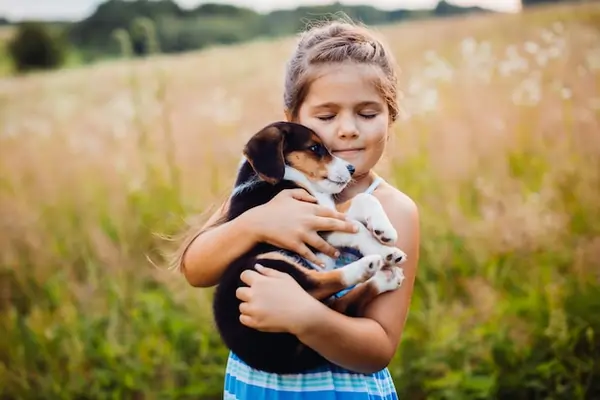
pet adoption is an important topic for pet lovers and users searching online. This page provides clear and useful information about pet adoption. Understanding details, care tips, pricing, and basic knowledge helps users make better decisions. Whether you are a beginner or experienced, learning about pet adoption can improve your overall experience. It is always recommended to check updated information and follow proper guidelines before making any decision. This content is written in simple language to help users easily understand key points. Proper research and awareness will help you choose better options and maintain long term satisfaction. Always focus on quality information and trusted sources for best results.
Pet Adoption in India – Everything You Need to Know Before Adopting
pet adoption is one of the most meaningful decisions a person can make — the moment you open your home to an animal in need, you change two lives simultaneously: the animal's and your own. Across India, millions of dogs, cats, rabbits, birds, and other animals wait in shelters, foster homes, and on the streets for someone to give them the second chance they deserve. Pet adoption in India has grown significantly over the past decade, driven by greater public awareness of animal welfare, the advocacy of rescue organisations, and a cultural shift among urban pet owners toward choosing rescue animals over purchased ones.
This comprehensive guide covers everything you need to know about the pet adoption process in India — from finding reputable adoption centres and understanding the adoption process, to preparing your home for a new animal, understanding the unique considerations of adopting adults versus young animals, the costs involved, and how to help your newly adopted pet settle into their forever home with confidence and love.
Why Choose Adoption Over Purchase – The Case for Giving a Second Chance
The decision to adopt rather than purchase a pet is one that more and more Indian families are making, and for deeply compelling reasons. India's stray animal population is one of the largest in the world, with an estimated 30 to 35 million stray dogs alone living on the country's streets. Animal shelters across major cities are chronically overcrowded, operating with limited resources to care for an overwhelming number of animals in need. Every adoption directly saves a life and creates space for another animal to receive shelter and care.
From a purely practical perspective, adoption offers significant advantages. Adoption fees — typically ₹500 to ₹5,000 depending on the organisation — are a fraction of what you would pay for a purebred puppy or kitten. Most adoption packages include vaccination, deworming, microchipping, and neutering, all of which would cost ₹5,000 to ₹15,000 if done separately after a purchase. Adult animals come with established, observable personalities — you know what you are getting before you commit, rather than gambling on how a puppy or kitten's character will develop.
Mixed-breed dogs and cats, which make up the majority of adoptable animals, often benefit from hybrid vigour — a phenomenon where genetic diversity results in fewer inherited health problems than can affect purebred animals from limited gene pools. India's indigenous mixed-breed dogs, affectionately known as Indie dogs or INDog, are extraordinarily hardy, intelligent, adaptable, and deeply loyal once they trust their human family. They are among the most rewarding pets imaginable for people willing to invest the time in building that trust.
Types of Animals Available for Adoption in India
The range of animals available for adoption across India is broader than many people realise. While dogs and cats are by far the most common, shelters and rescue organisations across the country also have rabbits, guinea pigs, birds, hamsters, and occasionally other species looking for forever homes.
| Animal Type | Typical Adoption Fee (₹) | What's Usually Included | Availability |
|---|---|---|---|
| Adult Dog (mixed breed) | ₹500 – ₹2,000 | Vaccination, deworming, neutering, microchip | Very high — always available |
| Puppy (mixed breed) | ₹1,000 – ₹3,000 | Initial vaccination, deworming | High — especially post-monsoon |
| Adult Cat (mixed breed) | ₹500 – ₹2,000 | Vaccination, deworming, neutering, microchip | High in urban areas |
| Kitten | ₹1,000 – ₹3,000 | Initial vaccination, deworming | Seasonal — spring/summer peaks |
| Purebred Dog (rescue) | ₹2,000 – ₹5,000 | Full medical care, often fostered | Lower but available through breed-specific rescues |
| Rabbit | ₹500 – ₹1,500 | Health check, sometimes neutering | Moderate in major cities |
| Bird | ₹500 – ₹2,000 | Health assessment, cage sometimes included | Available through bird rescues |
Where to Find Adoptable Pets in India – Rescue Organisations and Shelters
Finding animals available for adoption in India is easier than ever, thanks to the proliferation of rescue organisations, breed-specific rescues, and online adoption platforms. The following are the most reliable ways to find legitimate, reputable adoption sources across the country.
Established animal welfare organisations with physical shelters are the most structured adoption sources. Organisations operating across multiple cities include People for Animals (PFA), Friendicoes SECA (Delhi), Charlie's Animal Rescue Centre (CARE) in Delhi, SPCA chapters in multiple cities, Blue Cross of India (Chennai), Karuna Society (Andhra Pradesh), PAWS Mumbai, Welfare of Stray Dogs (Mumbai), and Animals Matter to Me (Bengaluru). These organisations have formal adoption processes, conduct home checks, and provide post-adoption support.
Foster networks and independent rescuers are another important source, particularly for specific breeds or special-needs animals. These are typically active on Instagram, Facebook, and WhatsApp groups dedicated to animal rescue in your city. Foster-based rescues often have animals living in home environments rather than shelters, giving you better insight into the animal's actual behaviour in a domestic setting — including how they interact with children, other pets, and various everyday situations.
Online adoption platforms including The Adoptable, I Love Dogs India, and various city-specific Facebook groups aggregate adoption listings from multiple sources and allow you to search by species, breed, age, location, and other parameters. Always verify that any organisation or individual you adopt from through online platforms is legitimate — ask for references, make a physical visit, and use common sense about anything that does not feel transparent or genuine.
The Pet Adoption Process in India – Step by Step
Most reputable adoption organisations in India follow a structured adoption process designed to ensure that animals go to suitable, prepared homes. Understanding this process before you begin helps you approach it with the right expectations and documentation.
The first step is typically an adoption application or enquiry form, either online or in person at the shelter. You will be asked about your living situation, whether you own or rent, your experience with pets, whether you have children or other pets, your work schedule, your reasons for wanting to adopt, and what kind of animal you are looking for. Answer these questions honestly — the goal is to match you with the right animal, not to exclude you, and misleading answers only risk creating an incompatible match that is difficult for both you and the animal.
A home visit or home check is standard practice at most established organisations. A volunteer visits your home to assess its suitability for the animal you wish to adopt — checking for secure fencing, safe balconies, potential hazards, and whether your household is genuinely prepared for the animal. This should not feel intrusive — it is a measure of the organisation's genuine commitment to placing animals in safe, suitable environments rather than simply handing them out to anyone who asks.
Once approved, you will typically meet several potential matches at the shelter or through a foster carer. Take your time with these meetings — do not feel pressured to commit to the first animal you meet if the connection does not feel right. A good rescue organisation will support you in finding the right match rather than pressuring a quick decision. An adoption contract is signed, the adoption fee paid, and the organisation will typically schedule a follow-up check-in call or visit after a few weeks to ensure the transition is going well.
Preparing Your Home for an Adopted Pet
Preparation is the key to a successful adoption. Animals transitioning from a shelter or foster home to a new environment experience significant stress regardless of how well they are cared for. A prepared, calm, safe home environment dramatically eases this transition and helps your new pet settle in faster and with less anxiety.
For dogs, prepare a designated sleeping area — a crate or a dog bed in a quiet corner — where the dog can retreat to feel safe. Stock food appropriate for the dog's age and size. Have a collar with an ID tag, a well-fitted harness, and a leash ready. Identify your veterinarian and book an initial health check within the first week. Remove or secure any household hazards including electrical cords, toxic plants, medications, and foods that are dangerous to dogs.
For cats, the preparation is equally important. Set up a separate, quiet room as the cat's initial safe space — this room-based introduction is critical for helping cats adjust. Include a litter tray, food and water bowls, a hiding spot, a scratching post, and some toys. Keep the cat confined to this room for the first several days before gradually allowing exploration of the wider home. This controlled introduction dramatically reduces the stress of the transition and helps the cat establish a sense of security before encountering the full scale of the new environment.
Understanding Adopted Pets – Setting Realistic Expectations
One of the most important things any adopter needs to understand is what is called the "three-three-three rule" — a widely observed pattern in how rescued animals adjust to new homes. In the first three days, the animal is typically overwhelmed, shut down, or intensely anxious — they may refuse food, hide, show fear-based behaviour, or seem very different from their behaviour at the shelter. In the first three weeks, they begin to understand the routine and relax somewhat as they realise this is their new normal. By three months, they have genuinely settled and their true personality emerges fully.
This adjustment period is normal and expected, but many adopters panic during the first few days when the animal seems shut down or very anxious and incorrectly conclude that the adoption is not working. Give your new pet the time they need. Resist the urge to overwhelm them with attention, visitors, or new experiences in the first week. Let them set the pace of interaction. Quiet, patient consistency in the first few weeks makes an enormous difference to how quickly and completely an animal settles into their new home.
| Time Period | Typical Dog Behaviour | Typical Cat Behaviour | What You Should Do |
|---|---|---|---|
| Days 1-3 | Overwhelmed, may not eat, tests boundaries or shuts down | Hides, may not eat or use litter, very cautious | Give space, maintain calm routine, no visitors |
| Week 1-3 | Begins to relax, learns routine, tests boundaries more actively | Explores gradually, begins eating normally, more visible | Consistent routine, gentle interaction, begin basic training for dogs |
| Month 1-3 | True personality emerges, forms attachment to family | Seeks affection, fully comfortable in space | Continue building trust, introduce to other pets carefully |
| After 3 months | Fully settled, bonded, behaviour is consistent and predictable | Shows full personality, deeply bonded to owner | Maintain routine, continue enrichment and training |
Post-Adoption Support and Resources
The period after adoption is as important as the adoption decision itself. Responsible rescue organisations do not simply hand over an animal and disappear — they maintain contact and provide support through the adjustment period. If the organisation you adopt from does not offer any post-adoption support, that is a sign of limited organisational maturity, though it does not necessarily indicate anything wrong with the animal itself.
Connect with online communities of pet owners in India — Facebook groups like Indian Dog Owners, Indian Pet Parents, and city-specific groups are active and supportive communities where experienced pet owners share advice freely. For specific behavioural challenges, a professional animal behaviourist or certified trainer can make an enormous difference. Many behaviours that seem alarming in the first few weeks — resource guarding, reactivity, separation anxiety — are manageable with the right guidance and consistent effort.
Your veterinarian is your most important post-adoption resource. Establish a relationship with a trusted vet in your area within the first week of bringing your new pet home. Schedule an initial health check to establish baseline health parameters, complete any outstanding vaccinations, and discuss any behaviour or health concerns you have noticed. A vet who knows your pet's history from the beginning is better equipped to identify any changes or concerns as they arise over the animal's life with you.
Frequently Asked Questions About Pet Adoption in India
Can I adopt a specific breed in India? Yes — breed-specific rescue organisations exist for many popular breeds including Golden Retrievers, Labrador Retrievers, German Shepherds, Shih Tzus, Beagles, and various others. Search for breed-specific rescues in your city or region, or contact general rescues who may have purebred dogs surrendered by owners unable to continue caring for them.
Is adopting from a shelter safe in terms of animal health? Reputable shelters vaccinate, deworm, and health-check all animals before adoption. Foster-based rescues typically have excellent insight into the animal's health and behaviour from living with them. Ask what medical care the animal has received, request veterinary records, and schedule an independent veterinary check-up shortly after adoption for complete peace of mind.
Can I adopt a pet if I live in a rented apartment? Many renters successfully adopt pets, but you must verify your rental agreement permits pets and ideally get written permission from your landlord. Be upfront during the adoption process about your living situation — a good rescue organisation would rather work with you on a solution than have a pet returned because of housing complications.
What should I do if the adoption is not working out? Contact the rescue organisation immediately. All legitimate rescues have a return policy and want to know if an adoption is struggling. Never abandon or surrender an adopted animal to the street — this is both illegal and deeply harmful to the animal. The rescue will work with you to address behavioural or compatibility issues, and if necessary, facilitate a thoughtful rehoming process.