Veterinary Care – Trusted Pet Health Services
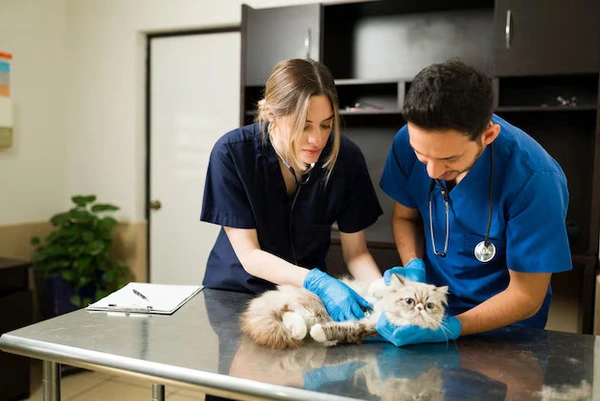
veterinary care is an important topic for pet lovers and users searching online. This page provides clear and useful information about veterinary care. Understanding details, care tips, pricing, and basic knowledge helps users make better decisions. Whether you are a beginner or experienced, learning about veterinary care can improve your overall experience. It is always recommended to check updated information and follow proper guidelines before making any decision. This content is written in simple language to help users easily understand key points. Proper research and awareness will help you choose better options and maintain long term satisfaction. Always focus on quality information and trusted sources for best results.
Veterinary Care for Pets in India – A Complete Guide for Pet Owners
veterinary care is the cornerstone of responsible pet ownership. No matter how well you feed your pet, how much exercise they get, or how lovingly they are cared for at home, regular professional veterinary attention is irreplaceable for maintaining their health and catching problems before they become serious. In India, veterinary services have improved dramatically over the past two decades, with modern animal hospitals now offering diagnostic capabilities, surgical expertise, and specialist care that was simply unavailable a generation ago. This comprehensive guide covers everything Indian pet owners need to know about veterinary care — from understanding what routine care involves and how often it is needed, to finding quality veterinarians in your city, understanding costs, navigating emergencies, and making the most of every clinic visit.
Many pet owners in India visit a veterinarian only when their pet is visibly sick — by which point a condition that could have been managed easily at an earlier stage has often become more serious and more expensive to treat. Preventive veterinary care, including regular check-ups, vaccinations, parasite control, and dental maintenance, is far more cost-effective and far better for your pet's quality of life than reactive care alone. Shifting your mindset from "go to the vet when something is wrong" to "go to the vet to keep things from going wrong" is one of the most impactful things you can do as a pet parent.
What Does Routine Veterinary Care Include?
Routine veterinary care encompasses a range of preventive and maintenance services that keep your pet healthy throughout their life. Understanding what these services are, why they matter, and how frequently they are needed helps you plan and budget for your pet's ongoing care without being caught off guard.
Annual health examinations are the foundation of preventive care. During an annual exam, your veterinarian performs a comprehensive physical assessment covering the eyes, ears, mouth and teeth, skin and coat, lymph nodes, heart and lung sounds, abdomen, musculoskeletal system, and neurological function. This head-to-tail examination often reveals early signs of conditions that are not yet causing obvious symptoms — heart murmurs, dental disease, early-stage tumours, joint changes, and organ dysfunction are all commonly identified during routine examinations before the owner has noticed any change in the pet's behaviour or appearance.
Vaccinations protect your pet against serious and potentially fatal infectious diseases. The core vaccines for dogs in India — DHPPiL covering Distemper, Hepatitis, Parvovirus, Para-influenza, and Leptospirosis — along with Rabies vaccination, are required annually or every three years depending on the vaccine type and your veterinarian's recommendation. For cats, the FVRCP (Feline Viral Rhinotracheitis, Calicivirus, and Panleukopenia) combination vaccine and Rabies vaccination form the core protocol. Your veterinarian may also recommend non-core vaccines based on your pet's specific lifestyle and risk factors.
Veterinary Care Costs in India – What to Expect
One of the most common questions from pet owners — particularly those new to pet ownership — is how much veterinary care costs. Costs vary significantly by city, clinic type, and the nature of the service required. The following table provides realistic cost ranges for common veterinary services across major Indian cities.
| Service | Approximate Cost (₹) | Frequency | Notes |
|---|---|---|---|
| Annual health examination | ₹300 – ₹1,500 | Once yearly | Higher at specialist hospitals |
| Core vaccination (DHPPiL) | ₹400 – ₹1,200 | Annually | Puppy series requires 3 doses |
| Rabies vaccination | ₹200 – ₹600 | Annually or every 3 years | Legally mandatory in India |
| Deworming tablet | ₹100 – ₹400 | Every 3 months | Varies by dog weight and brand |
| Tick and flea prevention | ₹300 – ₹1,200/month | Monthly or quarterly | Spot-on or oral tablet options |
| Spay / Neuter surgery | ₹3,000 – ₹12,000 | Once in lifetime | Females cost more than males |
| Dental cleaning | ₹2,000 – ₹8,000 | Every 1-2 years | Requires general anaesthesia |
| Blood panel (basic) | ₹800 – ₹2,500 | As recommended | Annual for seniors (7+ years) |
| X-ray | ₹800 – ₹3,000 | As needed | Per view; additional views extra |
| Ultrasound | ₹1,500 – ₹5,000 | As needed | Highly diagnostic for abdominal issues |
Finding a Quality Veterinarian in India
The quality of veterinary care in India varies considerably between practitioners and facilities. Finding a veterinarian you trust — one who is knowledgeable, communicates clearly, treats your pet gently, and is accessible when you need them — is one of the most important steps you can take as a pet owner. Here is how to identify and evaluate quality veterinary care in your city.
Qualifications matter enormously. In India, a qualified veterinarian holds a Bachelor of Veterinary Science and Animal Husbandry (BVSc & AH) degree from a recognised university and is registered with the Veterinary Council of India. Specialists in areas like internal medicine, surgery, dermatology, ophthalmology, and oncology hold additional postgraduate qualifications. Always verify that anyone presenting themselves as a veterinarian holds legitimate qualifications — unfortunately, unqualified practitioners do operate in some areas of India.
Facility standards are another important consideration. A well-equipped veterinary clinic should have a clean, organised reception and consultation areas, separate waiting areas for dogs and cats where possible, a dedicated treatment room, basic diagnostic equipment including a stethoscope, otoscope, and ophthalmoscope, in-house capability for basic blood tests and urinalysis, and proper drug storage. More advanced facilities will have digital X-ray, ultrasound, an in-house laboratory, and a dedicated surgical suite with appropriate anaesthetic monitoring equipment.
Personal recommendations from other pet owners in your area are often the most reliable guide to finding a good local vet. Online forums, Facebook groups for pet owners in your city, and recommendations from pet trainers and groomers — who interact with many pet owners and hear about veterinary experiences regularly — are all valuable sources. Once you have a few names, book an initial consultation to assess the clinic environment, the vet's communication style, how they handle your pet, and whether they take time to answer your questions fully.
Preventive Care Throughout Your Pet's Life Stages
The specific veterinary care your pet needs evolves as they move through different life stages. A puppy's veterinary needs are quite different from those of an adult dog, which in turn differ from those of a senior. Understanding these stage-specific needs helps you provide appropriate care throughout your pet's entire life.
The puppy and kitten phase (birth to one year) is the most intensive period for veterinary care. Multiple vaccination visits, deworming treatments every two to four weeks until twelve weeks of age then quarterly thereafter, initial health checks, microchipping, and discussion of neutering and dental care all fall within this period. This is also the time to establish baseline health parameters and build a relationship with your chosen veterinarian. The investment in care during this phase pays dividends throughout the animal's life.
The adult phase (one to seven years in dogs; one to ten years in cats) is relatively lower-maintenance from a veterinary perspective. Annual check-ups, vaccinations, parasite prevention, and dental care form the core routine. However, this is also the phase when lifestyle-related conditions such as obesity, dental disease, and skin problems commonly develop, making annual examinations more valuable than many owners appreciate. Any changes in weight, appetite, thirst, urination, or behaviour should prompt a veterinary consultation rather than a "wait and see" approach.
The senior phase brings increased veterinary attention requirements. Dogs are generally considered senior from around seven years of age (earlier for giant breeds), cats from around ten. Senior pets benefit from twice-yearly veterinary check-ups and annual or biannual blood panels and urinalysis to monitor organ function. Conditions like arthritis, kidney disease, hyperthyroidism (cats), diabetes, and dental disease become increasingly common in senior pets and are best managed when identified early through regular monitoring.
Common Health Conditions Treated by Veterinarians in India
Understanding the most common health conditions affecting pets in India helps you recognise potential problems early and seek veterinary care promptly. The following are among the conditions most frequently treated by veterinarians across Indian cities.
Tick-borne diseases are among the most serious and prevalent health threats to dogs in India. Ehrlichiosis, Babesiosis, and Rocky Mountain Spotted Fever are tick-transmitted infections that can cause severe illness and death if not diagnosed and treated promptly. Symptoms include fever, lethargy, loss of appetite, pale gums, and sometimes neurological signs. Any dog showing these symptoms after potential tick exposure should be seen by a veterinarian urgently. Rigorous tick prevention is the most effective protection against these diseases.
Parvovirus is a highly contagious and potentially fatal viral disease of dogs that remains common in India despite the availability of effective vaccines. Unvaccinated puppies are most severely affected, showing profound lethargy, vomiting, and haemorrhagic diarrhoea. Treatment requires intensive hospitalisation and is expensive — prevention through timely vaccination is dramatically more cost-effective and far less traumatic. This is the strongest possible argument for keeping your puppy's vaccination schedule current.
Skin diseases of various types — including fungal infections, bacterial pyoderma, mange (caused by mites), allergic dermatitis, and hot spots — are extremely common in Indian pets, particularly during the monsoon season when heat and humidity create ideal conditions for skin pathogens. Regular grooming, adequate nutrition, and prompt attention to any skin changes help prevent minor issues from developing into serious infections requiring prolonged treatment.
Dental Care – The Most Neglected Aspect of Pet Health in India
Dental disease is the single most underdiagnosed and undertreated health condition in Indian pets. Studies estimate that by three years of age, the majority of dogs and cats show some degree of periodontal disease — yet most Indian pet owners never have their pets' teeth examined professionally and very few provide any form of regular dental home care. This matters enormously because dental disease is not just a mouth problem. Chronic oral infection creates a bacterial reservoir that affects the heart, kidneys, and liver through the bloodstream, potentially shortening the pet's life and reducing quality of life throughout.
Veterinary dental cleaning under general anaesthesia is the only way to properly clean below the gumline where most significant dental disease occurs. Anaesthesia-free dental scaling — offered by some non-veterinary groomers — only addresses visible tartar above the gumline and provides no meaningful treatment of sub-gingival disease. Professional dental cleaning under anaesthesia, performed by your veterinarian or a veterinary dentist, includes scaling above and below the gumline, probing each tooth for pocket depth, dental X-rays at fully equipped facilities, and extraction of non-viable teeth.
Between professional cleanings, daily tooth brushing with a pet-safe enzymatic toothpaste is the single most effective home dental care measure. Dental chew treats, water additives, and dental diets provide some additional benefit but do not substitute for brushing. Start dental home care from puppyhood or kittenhood when your pet is most accepting of oral handling — retrofitting dental care onto an adult pet that has never had its mouth handled is much more challenging.
Emergency Veterinary Care – What to Do in a Crisis
Knowing what constitutes a genuine veterinary emergency and how to respond quickly can save your pet's life. Pet owners in India should identify the nearest 24-hour emergency veterinary facility before they ever need it — having this information readily available means you are not frantically searching during a crisis when every minute may count.
| Emergency Symptom | Possible Cause | Urgency Level | Action Required |
|---|---|---|---|
| Difficulty breathing, open-mouth breathing in cats | Respiratory distress, heart failure | Extreme — minutes matter | Go to emergency vet immediately |
| Collapse or inability to stand | Shock, severe illness, neurological event | Extreme | Go to emergency vet immediately |
| Bloated, distended abdomen with distress | Bloat/GDV — life-threatening | Extreme — minutes matter | Go to emergency vet immediately |
| Suspected poisoning or toxin ingestion | Various toxins | Extreme | Go to emergency vet; bring packaging if possible |
| Seizures lasting more than 5 minutes | Epilepsy, toxin, brain disease | Very urgent | Emergency vet within 30 minutes |
| Profuse bleeding that does not stop | Trauma, clotting disorder | Very urgent | Apply pressure; emergency vet immediately |
| Urinary straining with no output (especially male cats) | Urinary blockage | Very urgent | Emergency vet within hours |
| Eye injury or sudden vision change | Corneal ulcer, glaucoma, retinal detachment | Urgent | Same-day veterinary assessment |
Pet Insurance in India – Is It Worth It?
Pet insurance is a relatively new but growing sector in India, with several companies now offering policies covering accident and illness treatment, surgical procedures, and in some cases preventive care. Whether pet insurance is worthwhile depends on your financial situation, risk tolerance, the breed of pet you own (some breeds have significantly higher medical costs than others), and the specific policy terms available to you.
The primary value of pet insurance is protection against the financial shock of unexpected major veterinary expenses. Surgeries for conditions like intervertebral disc disease, cruciate ligament tears, intestinal obstructions, or cancer treatment can cost anywhere from ₹20,000 to ₹2,00,000 or more at well-equipped animal hospitals in India's major cities. For many families, these costs are manageable with insurance but financially devastating without it. Insurance removes the terrible situation of having to choose between a pet's life and financial hardship.
When evaluating pet insurance policies in India, examine the annual coverage limit, per-incident limits, waiting periods (typically 15-30 days after policy inception before claims can be made), exclusions for pre-existing conditions, breed-specific exclusions, and the claim process. Policies that cover hereditary and congenital conditions are more valuable for purebred pets. Read the fine print carefully and compare at least three to four policies before choosing. Some policies cover dental treatment, behavioural therapy, and alternative therapies — valuable additions if these are services you are likely to use.
Frequently Asked Questions About Veterinary Care in India
How often should I take my healthy adult dog to the vet? At minimum, once yearly for a comprehensive health examination and booster vaccinations. Twice yearly is recommended for senior dogs (seven years and older) and for any dog with a known health condition being managed with ongoing medication or treatment. Never wait for visible symptoms of illness before visiting a vet — many conditions are best managed when identified early.
Are government veterinary hospitals a good option? Government veterinary hospitals and dispensaries exist in most Indian cities and provide basic veterinary services at very low or no cost. They are a valuable resource for owners with financial constraints. However, facilities and diagnostic capabilities vary considerably, and wait times can be long. For complex or serious conditions, a well-equipped private animal hospital is typically better equipped to provide the level of care required.
Can I consult a veterinarian online in India? Yes — several online veterinary consultation platforms have emerged in India in recent years, offering video or chat-based consultations with registered veterinarians. These are useful for minor concerns, follow-up consultations for stable conditions, and general advice. They cannot replace in-person examination for new symptoms, emergencies, or any condition requiring physical assessment, diagnostic tests, or treatment.
What should I bring to a veterinary appointment? Bring your pet's vaccination record, any previous medical records or test results, a list of medications your pet is currently taking, and a note of any symptoms or changes in behaviour, appetite, or daily habits you have observed. If your pet has had vomiting or diarrhoea, a fresh stool sample in a sealed container can be useful for diagnostic purposes. Arrive a few minutes early to allow your pet to settle before the consultation.