Emergency Vet in Mumbai
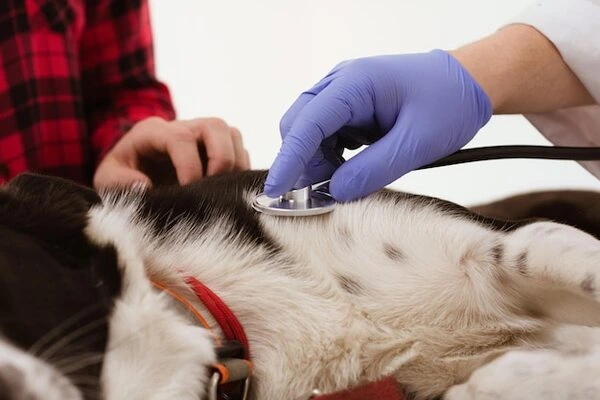
Whether it is a routine checkup or specialized attention, our emergency vet in Mumbai handles every pet with love. In Mumbai, pets face unique environmental challenges, making regular Emergency vet visits highly important. Communication is key for us, so we always keep Mumbai pet parents informed about every step of the treatment. We use the most advanced medical tools available in the industry to ensure the best outcomes for your pets in Mumbai. In critical situations, our emergency team provides immediate stabilization and life-saving treatments for your pets. We maintain a strictly hygienic and sanitized environment in Mumbai to prevent any risk of cross-infection. Regular training ensures that our team is updated with the latest advancements in global veterinary medicine. Transparency in pricing and procedures makes us a preferred choice for the pet owner community in the area. Your companion deserves a healthy life. Let our Emergency vet in Mumbai help them achieve that goal. From high-quality diet tips to exercise routines, we offer a complete package for your pet's long-term health. Our staff in Mumbai is not only professionally trained but also deeply committed to the well-being of every pet. Our facility is equipped with safe recovery areas and monitoring systems for pets undergoing treatments.
Emergency Vet Mumbai – Your Complete Guide to Urgent and After-Hours Veterinary Care in the City of Dreams
Mumbai's emergency veterinary infrastructure is the most developed of any Indian city outside Delhi — a reflection of the city's scale, its sophisticated pet-owning population, and the market conditions that sustain multiple genuine 24-hour animal hospitals staffed with qualified overnight veterinarians, diagnostic equipment, and emergency surgical capability. For Mumbai's pet owners, this means that most critical emergencies can be managed within the city without the multi-hour transport to specialist centres that the same presentations would require from smaller Indian cities — a significant practical advantage whose full value is only appreciated when an emergency actually occurs. However, Mumbai's extraordinary traffic complexity introduces a unique emergency management challenge: the nearest good emergency facility is not always the most reachable emergency facility at any given hour and traffic condition, and knowing which facilities are genuinely accessible from your specific Mumbai location in the time-window that different emergency scenarios allow is more important here than in any other city. This comprehensive guide covers everything Mumbai pet owners need to know about emergency veterinary care — how to recognise genuine emergencies, the city's emergency veterinary geography, the specific emergency scenarios that Mumbai's coastal and monsoonal environment creates, emergency costs, how to prepare effectively before any emergency arises, and the specific situations where within-Mumbai referral to a more specialist facility versus immediate management at the nearest available clinic is the right response.
Mumbai's emergency veterinary strength is genuine and should inspire confidence — but it requires active preparation to access effectively in a city where traffic can turn a five-kilometre journey into a thirty-minute ordeal, and where knowing the right facility contact in advance is the difference between confident immediate action and confused improvisation during a crisis.
Recognising Genuine Veterinary Emergencies in Mumbai
Genuine emergencies requiring immediate action — regardless of hour, traffic, or other competing considerations — include the universal veterinary emergency categories: breathing difficulty or respiratory distress; collapse or inability to stand; uncontrolled bleeding; suspected poisoning; abdominal distension with pain or distress in dogs (GDV); urinary obstruction in male cats; seizures lasting more than five minutes; severe trauma from accidents or animal attacks; and any condition that is rapidly deteriorating regardless of initial apparent severity.
Mumbai-specific emergency scenarios that deserve particular awareness include: acute leptospirosis presentation following monsoon flood exposure — sudden profound lethargy, vomiting, jaundice (yellow gums or whites of eyes), or kidney involvement signs in the 2-4 weeks after any flood water contact; severe humidity-driven skin infection crisis — hot spots or deep pyoderma that has progressed to systemic illness with fever and lethargy rather than remaining a localised skin problem; respiratory distress in brachycephalic breeds during Mumbai's pre-monsoon humid heat period; and severe anaphylactic reactions to insect stings or medications, which can progress rapidly to cardiovascular collapse in any breed.
For suspected leptospirosis in Mumbai's monsoon context, the emergency threshold should be lower than for equivalent presentations in non-endemic cities — a dog showing acute lethargy with fever and any gastrointestinal or kidney signs within four weeks of flood water exposure warrants same-day emergency assessment rather than watchful waiting, given the disease's rapid progression potential and the dramatically better outcomes achieved with early treatment compared to delayed intervention after organ involvement is established.
Mumbai's Emergency Veterinary Facilities
Mumbai's genuine 24-hour emergency animal hospitals — facilities that are staffed overnight with qualified veterinarians, have operational diagnostic equipment and emergency surgical capability, and can provide actual intensive care management rather than just telephone guidance — are primarily concentrated in the western suburbs, particularly the Bandra-Andheri-Jogeshwari corridor, and in parts of South Mumbai. These facilities represent a meaningful step beyond the extended-hours clinics that constitute "emergency coverage" in smaller Indian cities, and their genuine overnight clinical capability makes them the appropriate first destination for serious Mumbai emergencies.
Mumbai's emergency geography requires specific planning because traffic conditions dramatically affect which facilities are effectively accessible from any given location at any given time. A western suburb resident during Monday morning rush hour may find that a facility eight kilometres away takes forty-five minutes to reach under peak traffic — potentially longer than the same journey to a slightly lower-quality facility that is navigable more directly. The advance identification of the two or three emergency facilities that are realistically accessible from your specific Mumbai location under different traffic conditions — knowing the off-peak routes and the peak-hour alternatives — is the most practically important emergency preparation any Mumbai pet owner can do.
Emergency Costs in Mumbai
| Emergency Service | Cost Range (₹) | Notes for Mumbai Pet Owners |
|---|---|---|
| After-hours emergency consultation | ₹800 – ₹3,000 | Higher than routine consultation; emergency surcharge standard |
| Emergency hospitalisation (per day) | ₹4,000 – ₹15,000 | ICU monitoring at premium facilities at higher end |
| Emergency blood panel (in-house) | ₹1,000 – ₹4,000 | 30–60 min at quality emergency facilities |
| Emergency radiograph | ₹1,000 – ₹4,000 | Immediate at equipped emergency facilities |
| IV fluids and emergency stabilisation | ₹2,500 – ₹8,000 | Initial emergency management cost |
| Emergency surgery (soft tissue, moderate) | ₹20,000 – ₹80,000 | Wound repair, foreign body, basic procedures |
| GDV emergency surgery | ₹50,000 – ₹2,00,000+ | Gastric dilatation-volvulus; complex, time-critical |
| Blood transfusion | ₹10,000 – ₹30,000 | Available at Mumbai's larger animal hospitals |
| Oxygen therapy | ₹1,500 – ₹5,000/hour | Critical for respiratory emergencies |
| Leptospirosis emergency management | ₹15,000 – ₹60,000 | IV antibiotics, fluid support, organ monitoring |
Mumbai's Monsoon Emergency Management
The monsoon emergency management protocols that every Mumbai pet owner should know centre primarily on leptospirosis — the disease whose emergency presentations define Mumbai's most distinctive emergency caseload during and after the monsoon season. The key protocol points are: any flood water contact should be reported to the veterinarian immediately, not waiting for symptoms; the observation window for leptospirosis symptom emergence extends 2-4 weeks after exposure, requiring continued monitoring through this period; the specific signs to watch for include fever, lethargy, loss of appetite, vomiting, yellow tinge to gums or eyes, increased thirst and urination followed by reduced output; and any combination of these signs within the observation window should trigger same-day emergency veterinary contact with explicit mention of the flood water exposure history.
At the emergency facility, the Mumbai veterinarian's awareness of the leptospirosis context — the monsoon timing, the flood water history, the clinical presentation — should guide immediate aggressive supportive care (IV fluids for kidney protection, appropriate antibiotic therapy) that need not wait for leptospirosis serology confirmation in the appropriate clinical and epidemiological context. The outcomes of leptospirosis treatment are dramatically better when antibiotics and supportive care begin at the early organ-stress stage than when treatment is delayed pending confirmatory serology results in a sick animal with a compatible history. Communicating the flood water exposure history clearly and immediately at the emergency presentation is the single most important thing a Mumbai pet owner can do to activate the most appropriate emergency response.
Mumbai Emergency Preparedness Framework
| Preparedness Element | Action Required | When to Complete |
|---|---|---|
| Primary emergency facility | Identify nearest genuine 24-hr animal hospital; confirm overnight clinical coverage by calling during business hours; save number | Now — before any emergency |
| Secondary emergency option | Identify second accessible 24-hr facility for different traffic scenarios; save contact | Now — particularly important given Mumbai traffic |
| Regular vet emergency protocol | Ask your regular vet their after-hours protocol for established clients; save personal number if provided | At next routine appointment |
| Leptospirosis emergency protocol | Know the signs; know the 2–4 week observation window; know to report flood exposure immediately | Before every monsoon season — review annually in May |
| Traffic-aware route planning | Know the fastest route to each emergency facility under peak and off-peak traffic; practise during non-emergency conditions | Before any emergency; review seasonally |
| Emergency financial preparation | Maintain ₹50,000 – ₹1,00,000 reserve or pet insurance; Mumbai emergency costs are highest in this guide | Before acquiring a pet in Mumbai |
| Pet transport logistics | Ensure vehicle or rideshare availability at all hours; identify pet-friendly taxi options for middle-of-night situations | Ongoing — particularly important for solo pet owners |
Within-City Specialist Emergency Referral in Mumbai
Mumbai's multi-specialist hospital network means that within-city specialist emergency referral — transferring a stabilised patient from an initial emergency clinic to a more specialist facility for advanced care — is a realistic and commonly used pathway that other Indian cities cannot replicate without multi-hour transport. A dog stabilised after a GDV surgery at a western suburb emergency hospital can be transferred to a specialist internal medicine unit for post-operative organ monitoring. A cat with a suspected cardiac emergency can be stabilised at a local emergency clinic and then transferred to a cardiologist for echocardiography-guided management. A traumatic fracture case can receive initial wound management and pain control at the nearest emergency facility and then transfer to the orthopaedic specialist for definitive repair planning.
This within-city multi-step emergency care model — initial stabilisation at the nearest accessible facility followed by specialist transfer within Mumbai — is one of the most practically important aspects of Mumbai's emergency advantage over smaller cities. Understanding that this pathway exists, and asking your initial emergency veterinarian about within-city transfer options for cases requiring specialist capability beyond the initial facility, uses Mumbai's excellent specialist ecosystem to its full advantage.
Mumbai's Animal Welfare Emergency Resources
Mumbai's animal welfare infrastructure is extensive and provides emergency support resources that supplement the formal veterinary network. The Bombay SPCA — one of India's oldest animal welfare organisations — operates veterinary facilities accessible for both street animal and owned animal emergencies in specific circumstances. World For All, In Defense of Animals India, and numerous neighbourhood-level animal welfare groups across Mumbai's many communities maintain emergency networks and can assist with guidance, transport support, and veterinary access for animals in distress. The Mumbai Animal Rights Group and various Instagram and Facebook communities dedicated to Mumbai's animals function as active, real-time information networks whose monsoon-season emergency coordination and flood animal rescue activities are among the most organised in India.
The Mumbai pet owner community's social media presence is among the most active and most practically useful of any Indian city's — real-time emergency information including which facilities are currently operational, which groomers and vets are available in specific areas, and which specific emergency scenarios community members have navigated successfully in Mumbai's specific context circulates through these networks continuously. Connecting with and actively participating in these communities before any emergency arises gives every Mumbai pet owner access to the most current, most locally specific emergency guidance available anywhere — guidance that this or any other guide cannot match for currency, local detail, and the warm human solidarity of fellow animal lovers who have navigated the same city's challenges and are genuinely willing to help.
Frequently Asked Questions About Emergency Veterinary Care in Mumbai
Which area of Mumbai has the best 24-hour emergency animal hospitals? The Bandra-Andheri-Jogeshwari western suburb corridor currently has the highest concentration of Mumbai's most capable genuine 24-hour emergency animal hospitals, combining overnight clinical staffing with the diagnostic equipment and surgical capability that true emergency care requires. South Mumbai has established emergency options with strong clinical experience. For Mumbai residents, the emergency facility most worth identifying and saving is the one that is both capable and genuinely accessible from your specific location under typical traffic conditions — quality and accessibility together, not quality alone.
My Mumbai dog was in flood water — what should I do right now? Contact your veterinarian today, whether or not your dog appears unwell — describe the flood water exposure and confirm that leptospirosis vaccination is current. Your vet may recommend a precautionary antibiotic course for confirmed exposure in high-risk situations, or may advise careful monitoring with immediate contact for any of the specific signs: fever, lethargy, vomiting, yellow tinge to gums or eyes, changes in drinking or urination. Mark your calendar for a 4-week monitoring window from the exposure date, and contact your vet immediately if any of these signs appear at any point during this window. Do not wait to see if the dog "seems OK" — leptospirosis presents with an initial period of apparent improvement that precedes rapid deterioration in some cases.
Is pet insurance worth having in Mumbai specifically? Yes — more so than in most other Indian cities. Mumbai's emergency veterinary costs are the highest of any city in this guide, reflecting the city's general cost-of-living premium and its well-invested emergency facilities. The financial exposure from a serious emergency in Mumbai — GDV surgery, leptospirosis intensive management, road accident trauma — can exceed ₹1,00,000-₹2,00,000 in severe cases. Pet insurance that covers accident and illness with meaningful annual limits is a genuinely prudent financial preparation for Mumbai pet owners, converting unpredictable major emergency costs into manageable monthly premiums while enabling access to Mumbai's full emergency and specialist capability without financial hesitation during critical decision-making moments.
How do I transport my pet to an emergency facility in Mumbai at 2am? Pre-planning pet transport logistics is uniquely important in Mumbai given the traffic and the challenges of finding transport at unusual hours. Options include: maintaining a reliable vehicle (own car or a trusted person's) with keys immediately accessible at any hour; identifying and saving the numbers of two or three pet-friendly taxi or cab services that operate in your area through the night; and connecting with your residential society's pet owner community whose informal emergency support networks often include members willing to assist with transport for genuine emergencies. The community connection that makes Mumbai's pet owner networks so valuable in general is at its most practically important in these 2am scenarios where formal transport options and veterinary contacts need to work together on moments notice.
Post-Emergency Recovery in Mumbai
The quality of post-emergency care in the days and weeks following a serious veterinary emergency in Mumbai depends on effective handover between the emergency facility and the ongoing care provider — whether that is the pet owner's regular veterinarian, a specialist to whom the case has been referred, or a combination of both. Request a comprehensive written discharge summary from any emergency facility — covering the diagnosis, all treatments administered, current medications and their schedules, specific monitoring parameters to watch for, and the recommended follow-up schedule. Bring this summary to the first post-emergency appointment with your regular Mumba veterinarian and explicitly discuss how the emergency findings and ongoing management recommendations will be incorporated into routine care.
For leptospirosis survivors — the emergency presentation most distinctively linked to Mumbai's environment — the post-acute recovery phase requires specific kidney function monitoring through serial blood panels at regular intervals until kidney parameters have returned to baseline and stabilised. Antibiotic therapy completion, hydration management, and the specific dietary and exercise modifications appropriate to the degree of kidney involvement are all components of leptospirosis recovery management that should be specifically reviewed with the ongoing care veterinarian rather than assumed to follow automatically from the acute management. Mumbai's excellent diagnostic infrastructure makes this serial monitoring practical and accessible; the pet owner's responsibility is to ensure it happens by scheduling follow-up appointments and attending them consistently.
Mumbai — the City of Dreams, the city that never sleeps, the city that absorbs millions and gives them possibility — extends this same energy and ambition to its relationship with its companion animals. The city's extraordinary veterinary infrastructure, its world-class emergency capability, its specialist depth, and the warmth and knowledge of its vast, passionate pet owner community together create an animal care ecosystem worthy of one of the world's great cities. Every Mumbai pet owner who uses these resources wisely, prepares thoughtfully, and contributes generously to the community's collective knowledge is helping to make the City of Dreams a better place for every animal within it.