Goldfish - Complete Guide
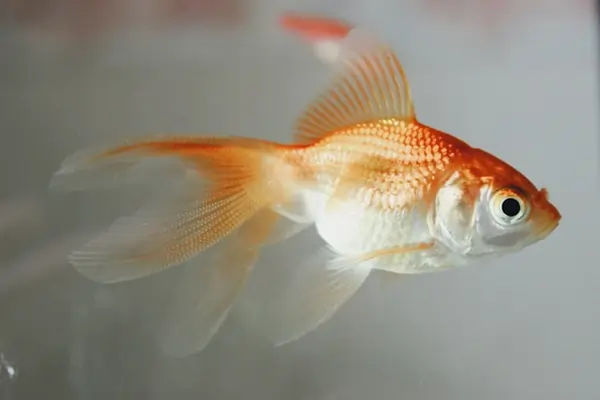
goldfish is one of the oldest and most recognized aquarium fish in the world. It requires more care than commonly assumed, especially regarding tank size and water quality. Goldfish produce more waste, so proper filtration and regular water changes are essential. They thrive in spacious tanks with good oxygen levels. A balanced diet of pellets, vegetables, and occasional treats helps maintain their health. With proper care, goldfish can live for many years and grow significantly in size.
Goldfish – The Complete Care Guide for Indian Aquarium and Pond Keepers
The goldfish is the world's oldest domesticated fish and one of the most culturally significant — kept by humans for over a thousand years in China before spreading across Asia and eventually to every continent, the goldfish has become a symbol of good fortune, prosperity, and the simple pleasure of keeping living colour in a home or garden. In India, goldfish occupy a special place in both religious and cultural life — offered at temple fairs, given as gifts symbolising prosperity, kept in office aquariums for Vastu Shastra and Feng Shui purposes, and maintained in garden ponds by households that have discovered the peaceful beauty of watching goldfish glide through clear water. This comprehensive guide covers everything Indian goldfish keepers need to know — from understanding the extraordinary diversity of fancy goldfish varieties, to the critical water quality and temperature requirements that differ significantly from tropical fish, to feeding, health management, pond versus aquarium keeping, and the honest discussion of what goldfish actually need versus the inadequate conditions they are too often kept in across India.
Perhaps more than any other commonly kept fish, goldfish suffer from the consequences of widespread misinformation about their actual needs. The notion that goldfish thrive in small bowls, need no filtration, eat only a few flakes, and require minimal attention has caused incalculable goldfish suffering and disappointment for their keepers. The reality is that goldfish are large, long-lived, high-waste-producing fish that require substantial space, excellent filtration, careful feeding management, and appropriate water temperature — conditions that are entirely achievable with correct information but that differ significantly from what most Indian beginners expect. This guide provides that correct information.
Goldfish Natural History and the Development of Fancy Varieties
The goldfish (Carassius auratus) descends from wild Prussian carp — a dull brown-grey fish of no particular visual appeal — that was first selectively bred for ornamental colour in Tang Dynasty China over one thousand years ago. The first colour mutations — orange and red individuals that appeared naturally in carp populations — were isolated and bred to produce consistently coloured fish, beginning the process of selective breeding that over centuries produced the extraordinary diversity of goldfish varieties known today. By the Song Dynasty (960-1279 AD), goldfish breeding was widespread and various colour forms were established. During the Ming Dynasty, goldfish breeding intensified and fin mutations including the double tail, the elongated dorsal-less forms, and various body shapes were established and refined.
Goldfish reached Japan in the 16th century and Europe in the 17th century, where further selective breeding developed additional varieties including the Oranda (with its fleshy head growth), the Lionhead, and the Telescope-eyed varieties. By the 19th century, goldfish were globally distributed and the variety of fancy forms available had expanded dramatically. In India, goldfish have been kept for centuries with particular cultural resonance — their golden colouration associates them with prosperity and good fortune in both Hindu and Buddhist tradition, and goldfish gifting remains a common practice at auspicious occasions across the country.
Goldfish Varieties Available in India
The diversity of goldfish varieties available in India ranges from the hardy, streamlined common goldfish to the extraordinarily elaborate fancy varieties with bubble eyes, flowing twin tails, and distinctive head growths. Understanding the major varieties helps Indian keepers choose fish appropriate for their setup and experience level — fancy varieties require better water quality and more attentive care than common goldfish, and some are unsuited to pond conditions.
| Variety | Body Form | Price Range (₹) | Difficulty |
|---|---|---|---|
| Common / Comet Goldfish | Streamlined, single tail | ₹20 – ₹100 | Beginner – very hardy |
| Fantail Goldfish | Rounded, double tail | ₹50 – ₹250 | Beginner to intermediate |
| Oranda Goldfish | Rounded, head growth (wen), double tail | ₹100 – ₹1,000 | Intermediate |
| Ryukin Goldfish | Humped back, double tail | ₹100 – ₹800 | Intermediate |
| Black Moor | Rounded, telescope eyes, black colour | ₹80 – ₹500 | Intermediate – eyes vulnerable |
| Ranchu / Lionhead | No dorsal fin, head growth | ₹200 – ₹2,000 | Advanced – needs still water |
| Bubble Eye | Fluid-filled sacs under eyes | ₹300 – ₹2,000 | Advanced – fragile |
The Critical Truth About Goldfish Space and Water Requirements
Goldfish are among the most commonly mistreated fish in Indian homes precisely because their apparent hardiness allows them to survive conditions far below what they need to thrive — and this survival in poor conditions creates the false impression that the conditions are acceptable. The truth is that goldfish grow large (common goldfish reach 30 centimetres or more; even fancy varieties reach 15-20 centimetres), produce extraordinary amounts of waste relative to most aquarium fish, and require large water volumes and excellent filtration to maintain the water quality their health depends on.
The minimum tank size for a single fancy goldfish is 80 litres — not the 10-20 litre bowls in which goldfish are commonly sold and kept across India. For each additional fancy goldfish, add 30-40 litres. Common goldfish and comets, which grow significantly larger and are more active swimmers, need even more space — a minimum of 120 litres for the first fish and 40-50 litres per additional fish. These are not aspirational guidelines but minimum functional requirements; goldfish kept in smaller spaces than these will have shortened lifespans, stunted growth, and chronic health problems from accumulated waste that adequate water volume and filtration would prevent.
Temperature management for goldfish in India is the opposite of the challenge faced with tropical fish — goldfish are coldwater fish that prefer temperatures between 15 and 22 degrees Celsius, with optimal performance at around 18-20 degrees Celsius. In most of India, the challenge is keeping goldfish cool rather than warm. During India's summer months, aquarium temperatures can easily reach 28-30 degrees Celsius or higher — temperatures that cause goldfish significant stress, suppress immune function, and make them vulnerable to bacterial and fungal infections. Cooling strategies including running an aquarium chiller (expensive but effective), placing the aquarium in the coolest room available, using a fan to create evaporative cooling at the water surface, and performing frequent small water changes with cooler water help manage summer temperatures. In North India's winters, goldfish do well at naturally cool room temperatures and no heating is needed.
Goldfish Nutrition and Feeding Management
Feeding goldfish correctly is more nuanced than simply providing food — goldfish will eat continuously if food is available, are prone to obesity, and are susceptible to digestive problems including constipation and swim bladder disease from inappropriate or excessive feeding. Understanding what to feed, how much to feed, and what not to feed is essential for goldfish long-term health in Indian conditions.
Quality goldfish-specific pellet or flake food forms the nutritional foundation — not generic tropical fish food, which has a different protein-to-fibre balance than is appropriate for goldfish's primarily herbivorous digestive system. Wheat germ-based foods are particularly recommended for goldfish health. Feed only what the fish can consume in two minutes, twice daily. Remove any uneaten food immediately — goldfish produce enough waste from what they eat; additional waste from rotting uneaten food rapidly degrades water quality. Fast goldfish one day per week — a practice that reduces constipation risk and gives the digestive system a reset. Supplement the pellet diet with blanched vegetables including peas (shelled), spinach, and zucchini, which provide fibre that supports digestive health and reduces constipation. Avoid live or frozen bloodworm as a regular goldfish food — its high protein content is inappropriate for goldfish physiology and can cause digestive problems and bloating.
Goldfish Health – Common Problems in Indian Aquariums
Goldfish in Indian conditions face specific health challenges that attentive keepers can prevent or manage effectively. Swim bladder disease — causing the fish to float at the surface or sink to the bottom and swim abnormally — is among the most common goldfish health issues and is most frequently caused by overfeeding, feeding dry food that expands in the gut, constipation, or bacterial infection. Mild swim bladder issues often resolve with a three to five day fast followed by feeding of shelled peas. Bacterial infections causing fin rot, body ulcers, and dropsy (scale protrusion with abdominal swelling) are associated with poor water quality and high temperatures — conditions that are common in inadequately managed Indian goldfish setups. Ich (white spot) appears in goldfish during temperature fluctuations, and its treatment in goldfish follows standard aquarium protocols but must account for goldfish's sensitivity to many chemical treatments.
| Health Problem | Cause | Treatment | Prevention |
|---|---|---|---|
| Swim Bladder Disease | Overfeeding, constipation, bacterial | Fasting 3-5 days; shelled peas; antibiotics for bacterial | Feed correct amounts; weekly fasting; fibre in diet |
| Fin Rot | Bacterial infection from poor water | Clean water; antibacterial medication | Regular water changes; avoid overcrowding |
| Dropsy | Bacterial kidney failure | Antibiotics; Epsom salt baths; guarded prognosis | Excellent water quality; avoid stress |
| Heat Stress | Summer temperatures above 25°C | Cool water gradually; fan; water changes | Keep aquarium in coolest room; consider chiller |
| Ich (White Spot) | Temperature fluctuation; Ichthyophthirius | Raise temperature gradually; medication | Temperature stability; quarantine new fish |
Goldfish in Outdoor Ponds – The Ideal Indian Setup
For Indian households with garden space, an outdoor pond provides the most natural and most satisfying environment for keeping common goldfish and comets. The larger water volume of a pond provides superior water quality stability, allows goldfish to reach their full size potential, and supports the natural grazing behaviour — on algae, aquatic plants, and invertebrates — that contributes to goldfish health. Common goldfish and comets are extremely hardy and can tolerate the temperature range of most Indian gardens except at extreme temperature peaks; fancy varieties are less suitable for outdoor ponds where temperature control is more difficult and where predators including cats, herons, and crows present additional management challenges.
A garden pond for goldfish in India should be at least 1,000 litres — larger ponds maintain better water quality and temperature stability. Depth of at least 60 centimetres provides temperature refuge during hot summers and cold North Indian winters. A biological pond filter processing the pond volume at least once per hour maintains water clarity and quality. Partial water changes of 10-20% every two weeks replenish minerals and dilute accumulated waste products. Pond plants including lotus, water hyacinth, and various submerged oxygenating plants contribute to water quality and provide the natural environment goldfish thrive in.
Monthly Cost of Keeping Goldfish in India
| Expense | Monthly Cost (₹) | Notes |
|---|---|---|
| Quality Goldfish Pellets | ₹150 – ₹400 | Wheat germ-based; goldfish-specific formula |
| Fresh Vegetable Supplements | ₹50 – ₹150 | Peas, spinach, zucchini; bought from market |
| Electricity (filter + cooling) | ₹200 – ₹1,500 | Cooling cost highest in summer; chiller adds significantly |
| Water Conditioner | ₹50 – ₹150 | Per water change; essential |
| Medication Reserve | ₹50 – ₹200 | Antibacterial and ich treatment on hand |
| Total Estimate | ₹500 – ₹2,400 | Cooling cost is the major variable in Indian summer |
Frequently Asked Questions About Goldfish in India
How long do goldfish live? Wild goldfish can live 25 years or more. In aquariums with proper care, 10 to 15 years is achievable; in ponds with excellent management, 20 years is realistic. The tragically short goldfish lifespans commonly experienced in India — measured in weeks or months — reflect inadequate care conditions rather than the species' natural longevity. Goldfish kept in appropriate tanks with excellent filtration, correct feeding, and appropriate temperature regularly live to 10 years and beyond.
Can goldfish live in a bowl without filtration? No — not healthily, and rarely for long. A goldfish in a bowl without filtration suffers from rapidly accumulating ammonia from its own waste, oxygen depletion, and temperature fluctuations. The apparent survival of goldfish in bowls for days or weeks reflects the species' toughness, not the suitability of the conditions. Bowls are inadequate goldfish housing and should be replaced with properly sized, properly filtered aquariums for any goldfish keeper who cares about the fish's welfare and longevity.
Can goldfish be kept with tropical fish? Generally not advisable — goldfish prefer cooler temperatures than tropical fish, and the overlap temperature range where both are comfortable is narrow and suboptimal for both. Additionally, goldfish produce significantly more waste than comparably sized tropical fish, causing water quality problems in mixed-species setups. A dedicated goldfish aquarium maintained at appropriate cool temperatures produces healthier goldfish than a heated tropical community tank compromise.
Why does my goldfish always look hungry? Goldfish are hardwired to eat constantly — in nature, they spend their entire waking lives foraging. The begging behaviour that goldfish display whenever a human approaches is instinctive rather than a genuine indication of hunger. Overfeeding goldfish in response to this begging is among the most common causes of constipation, swim bladder disease, and poor water quality in Indian goldfish aquariums. Feed a measured amount twice daily and resist the goldfish's perpetually hungry performance.
Goldfish Varieties for Different Indian Setups
Choosing the right goldfish variety for your specific Indian setup is one of the most important decisions a goldfish keeper can make. The division between streamlined single-tailed varieties (common goldfish, comets, shubunkins) and the rounded double-tailed fancy varieties (fantails, orandas, ryukins, bubble eyes) is not merely aesthetic — it reflects fundamentally different husbandry requirements that determine which types of goldfish belong in which types of environments.
Single-tailed goldfish — common goldfish and comets — are the varieties best suited to outdoor garden ponds in India. They are fast, active swimmers whose streamlined body form allows them to compete effectively for food, avoid predators, and navigate water currents. They can reach 30 centimetres or more in length in pond conditions with adequate space and food, living for 20 years or longer with appropriate care. These are not the appropriate fish for indoor aquariums — their adult size, active swimming, and space requirements make even a 200-litre aquarium inadequate for long-term keeping of multiple adult common goldfish. If you want goldfish in a tank rather than a pond, fancy varieties are the appropriate choice.
Fancy goldfish — the rounded, double-tailed varieties including fantails, orandas, and ryukins — are bred for appearance at the expense of swimming efficiency and therefore do better in aquarium conditions with still or gently flowing water, appropriate competition-free access to sinking food, and space appropriate to their more modest adult sizes of 15-20 centimetres. They cannot compete effectively with single-tailed varieties for food and should not be mixed with them. Among fancy varieties, the more extreme forms — bubble eyes, telescope eyes, very round-bodied ranchus — are the most fragile and least suitable for beginners, being vulnerable to eye injury and swim bladder problems. Fantails and orandas provide excellent visual impact in a beginner's fancy goldfish setup without the additional sensitivity of the most extreme varieties.
Goldfish keeping in India, when approached with accurate knowledge of the species' genuine needs, rewards its practitioners with some of the most long-lived and visually spectacular fish-keeping experiences available in the freshwater aquarium hobby. A mature oranda with a fully developed wen in a well-maintained aquarium with excellent water quality is a genuinely magnificent sight — and achieving it requires nothing more than the consistent application of the correct care principles this guide has described.
The goldfish's extraordinary longevity — measured in decades when properly cared for — makes the relationship between a goldfish keeper and their fish genuinely unusual among pet-keeping experiences. A goldfish purchased as a two-centimetre juvenile at a temple fair or fish market may still be swimming in a well-maintained pond or aquarium fifteen years later, having grown to impressive adult size and developed the individual personality and recognition of its keeper that long-term fish keepers consistently describe with evident affection. That is the goldfish's gift to the keeper who provides it what it actually needs — not brief, flickering survival in inadequate conditions, but years of growing, thriving, increasingly beautiful life.