Indian Billi (Desi Cat) Guide – Care, Diet & Lifespan
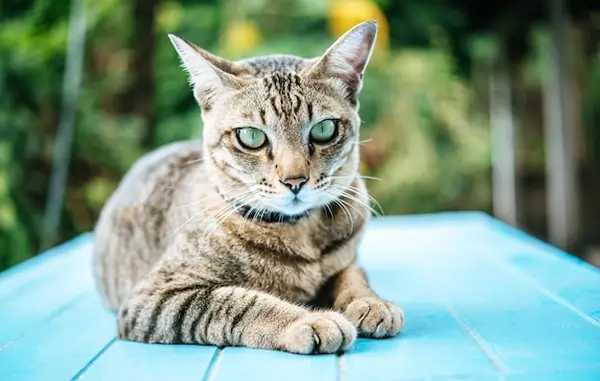
indian billi desi cat is an important topic for pet lovers and users searching online. This page provides clear and useful information about indian billi desi cat. Understanding details, care tips, pricing, and basic knowledge helps users make better decisions. Whether you are a beginner or experienced, learning about indian billi desi cat can improve your overall experience. It is always recommended to check updated information and follow proper guidelines before making any decision. This content is written in simple language to help users easily understand key points. Proper research and awareness will help you choose better options and maintain long term satisfaction. Always focus on quality information and trusted sources for best results.
Indian Billi – The Complete Guide to India's Native Desi Cat
The Indian Billi — affectionately called the Desi cat, street cat, or simply "billi" in Hindi — is one of the most overlooked yet most remarkable cats in the world. Found in every corner of the Indian subcontinent, from the back lanes of Old Delhi to the sun-baked streets of Chennai, from quiet village courtyards to bustling urban apartments, the Indian Desi cat is hardy, intelligent, affectionate, and deeply suited to life in India's varied and often demanding climate. While purebred cats like Persians and Siamese command attention and premium prices, the humble Indian Billi offers something that no amount of selective breeding can manufacture — thousands of years of natural adaptation to exactly the conditions you live in. This comprehensive guide covers everything you need to know about Indian Desi cats — from their history and physical characteristics, to adoption versus purchase, monthly care costs, health benefits, temperament, and why the Indian Billi may well be the best cat choice you ever make.
India has one of the largest populations of free-ranging cats in the world, yet the Indian Billi remains systematically undervalued as a pet compared to imported purebred breeds. This guide aims to change that perception by presenting the full picture of what the Indian Desi cat truly offers — not as a second-rate alternative to a purebred, but as a genuinely exceptional companion animal in its own right, uniquely suited to Indian homes, Indian weather, and Indian lifestyles.
History and Origin of the Indian Desi Cat
The Indian domestic cat descends from the African wildcat (Felis lybica), the same ancestral species from which all domestic cats worldwide are descended. Cats were first domesticated approximately 10,000 years ago in the Fertile Crescent as agricultural settlements created conditions — grain stores attracting rodents — that made a mutually beneficial relationship between humans and cats naturally advantageous. Cats spread along trade routes throughout the ancient world, arriving on the Indian subcontinent thousands of years ago.
Over millennia of life in India, the cats that thrived were those best adapted to the subcontinent's specific conditions — the extreme heat of the plains, the monsoon rains, the semi-arid regions of Rajasthan, the humid coasts of Kerala and Tamil Nadu, and the cooler highland areas of the northeast. This long process of natural selection produced a cat with exceptional heat tolerance, robust immune function, strong disease resistance, and the behavioural flexibility to succeed in both highly urban and deeply rural environments.
The Indian Billi is not a breed in the conventional sense — there is no breed standard, no registry, no selective breeding programme. What makes the Indian Desi cat remarkable is precisely the opposite: the genetic diversity accumulated over thousands of generations of natural selection has produced an animal that is far more genetically robust than most purebred cats, with the hybrid vigour that comes from an extraordinarily varied gene pool. This genetic diversity is the foundation of the Desi cat's exceptional health, resilience, and adaptability.
Archaeological evidence from the Indus Valley Civilisation period suggests that cats were present in what is now Pakistan and northwest India as early as 2500–2000 BCE. References to cats appear in ancient Sanskrit literature, the Arthashastra, and Panchatantra stories, indicating a long, continuous relationship between Indian humans and their feline companions. Cats in India have historically occupied roles ranging from temple guardians to home mousers to beloved household companions — a multifaceted relationship that continues to the present day.
Physical Characteristics of the Indian Desi Cat
The Indian Desi cat does not conform to a single physical standard — it is as varied in appearance as the country it comes from. Size, coat length, colour, pattern, ear size, and facial structure all vary considerably from individual to individual and from region to region. However, certain physical characteristics are commonly seen in Indian Desi cats that reflect their adaptation to the subcontinent's conditions.
Most Indian Desi cats are medium-sized with lean, muscular bodies — a body type well-suited to an active, semi-outdoor lifestyle. Their coats are predominantly short to medium in length, which makes excellent practical sense in India's warm climate. Short coats require minimal grooming, dry quickly after rain, and do not accumulate the heat that dense long coats can create. The coat is typically sleek and close-lying, with a healthy sheen in well-nourished individuals. Tabby patterns — both classic blotched and mackerel striped — are very common, as is the bicolour (white with another colour) pattern. Solid black, solid white, tortoiseshell, and calico patterns are also frequently seen.
Facial structure in Indian Desi cats tends toward the moderate — a longer nose than brachycephalic breeds, ears of medium to large size, and large, expressive eyes in a range of colours including green, gold, copper, blue, and odd-eyed combinations. The lack of extreme structural modification that affects many purebred breeds means the Indian Desi cat breathes freely, sees clearly, and moves without the physical limitations that selective breeding has introduced into some popular pedigree breeds.
Why Choose an Indian Desi Cat? – The Real Advantages
The case for the Indian Desi cat goes well beyond sentimentality or budget considerations. There are genuinely compelling practical reasons why an Indian Desi cat may be the best pet choice for many Indian families, and understanding these advantages helps prospective cat owners make truly informed decisions rather than simply following fashion.
Heat and climate tolerance is perhaps the most immediately relevant advantage for Indian pet owners. Desi cats have been selected over thousands of years for survival in India's climate — the same climate you live in. They do not require air conditioning to remain comfortable in Indian summers the way that Persian cats or other thick-coated brachycephalic breeds do. They handle monsoon humidity, North Indian winter cold, coastal heat, and the full spectrum of Indian weather conditions with the adaptability of animals that evolved in precisely these conditions.
Disease resistance and immune robustness are another major advantage. The genetic diversity of the Indian Desi cat — the opposite of the inbreeding that occurs in closed purebred gene pools — confers what biologists call hybrid vigour or heterosis. Hybrid vigour means that genetically diverse individuals typically display greater resistance to disease, better reproductive health, longer lifespans, and greater physiological resilience than genetically similar inbred individuals. This is not a minor advantage — it represents a fundamental difference in the baseline health expectation between a well-bred Desi cat and many purebred cats with known genetic health vulnerabilities.
Cost is an obvious advantage — both in acquisition and in ongoing care. A Desi cat adopted from a shelter or rescue organisation costs ₹500 to ₹2,000 in adoption fees, often including vaccination and neutering. Monthly care costs are modest — quality food, regular veterinary check-ups, and routine preventive care. The absence of breed-specific health conditions eliminates the veterinary monitoring costs associated with some purebred breeds — no annual echocardiograms for HCM, no genetic testing for PKD or PRA, no expensive management of brachycephalic airway syndrome.
Indian Desi Cat Temperament – Varied, Intelligent, and Deeply Adaptive
The temperament of individual Indian Desi cats varies considerably depending on their socialisation history rather than genetics. A Desi cat raised in a loving home with regular human interaction from kittenhood is typically as affectionate, interactive, and engaging as any purebred cat. A cat that has had limited positive human contact will be more cautious and reserved, though patient, positive interaction can transform even a shy, under-socialised cat into a confident and affectionate companion over time.
Community cats and street cats that are adopted as adults present a particularly rewarding challenge for patient owners. The transformation that occurs as a once-wary street cat gradually learns to trust, seeks out human contact, and eventually becomes a deeply attached companion is one of the most emotionally rewarding experiences in cat ownership. This transformation cannot be rushed — it happens on the cat's timeline — but the depth of the eventual bond typically reflects the depth of the trust that was built to achieve it.
Indian Desi cats are often described by their owners as more intelligent and street-smart than many purebred cats — qualities that make sense given that survival in the complex, demanding environment of Indian streets requires a level of environmental problem-solving that the pampered lives of selectively bred house cats do not. This intelligence manifests as curiosity, adaptability, and a perceptiveness about their environment and the people in it that owners find deeply engaging.
Adoption vs Purchase – Why Adoption Makes Sense for Indian Billi
Unlike purebred cats where a breeder relationship is necessary, the Indian Desi cat is abundantly available through adoption from shelters, rescue organisations, foster networks, and community cat sterilisation programmes across India. There is no logical reason to purchase an Indian Desi cat when thousands of them wait in shelters and on streets for loving homes. This makes the Indian Billi perhaps the most ethical cat choice available — adopting one genuinely saves a life and reduces the pressure on chronically overcrowded shelter systems.
Adoption organisations across India's major cities including Friendicoes (Delhi), Charlie's Animal Rescue Centre (CARE, Delhi), PAWS Mumbai, the Blue Cross of India (Chennai), Karuna Society (Andhra Pradesh), and many others regularly have Desi cats and kittens available for adoption. Most adoption packages include vaccination, deworming, microchipping, and neutering — making the total value of the adoption package far exceed the modest adoption fee.
Health Care for Indian Desi Cats
Indian Desi cats are hardy but not invincible — they benefit from the same preventive health care as any cat, and regular veterinary attention significantly extends their already naturally good lifespans. The following table outlines the key preventive health care requirements and typical costs for Desi cats in Indian cities.
| Health Care Item | Frequency | Approximate Cost (₹) | Importance |
|---|---|---|---|
| FVRCP (Core Vaccine) | Annual booster after kitten series | ₹400 – ₹900 | Essential — protects against major viral diseases |
| Rabies Vaccine | Annual or every 3 years | ₹200 – ₹500 | Legally important; protects cat and owner |
| Deworming | Every 3 months | ₹100 – ₹300 | Essential for all cats, especially former strays |
| Flea and Tick Prevention | Monthly (spot-on or tablet) | ₹300 – ₹800/month | Important especially in monsoon season |
| Annual Health Check-up | Once yearly | ₹300 – ₹1,000 | Important for early detection of issues |
| Neutering / Spaying | Once in lifetime (5-6 months) | ₹2,000 – ₹7,000 | Strongly recommended — health and population benefits |
| Dental Cleaning | Every 1-2 years as needed | ₹1,500 – ₹5,000 | Important for long-term health |
Monthly Cost of Keeping an Indian Desi Cat
One of the most practical advantages of the Indian Desi cat is the modest monthly cost of care compared to many purebred breeds. Without breed-specific health monitoring requirements, without the grooming demands of long-coated breeds, and without the temperature management requirements of brachycephalic cats, the ongoing cost of caring for a Desi cat is among the lowest of any cat option in India while still providing a genuinely high quality of life for the animal.
| Expense | Monthly Cost (₹) | Notes |
|---|---|---|
| Quality Cat Food (wet + dry) | ₹1,500 – ₹3,500 | Premium food makes a real difference to health and longevity |
| Litter and Tray | ₹400 – ₹1,000 | Standard requirements; clumping litter most convenient |
| veterinary care | ₹300 – ₹800 | Lower than most purebreds; no breed-specific monitoring |
| Flea and Tick Prevention | ₹300 – ₹700 | Monthly preventive treatment |
| Toys and Enrichment | ₹200 – ₹500 | Scratching post, wand toys, puzzle feeders |
| Grooming Products | ₹100 – ₹250 | Minimal for short-coated Desi cats |
| Total Estimate | ₹2,800 – ₹6,750 | Among the most affordable cat keeping options in India |
Setting Up Your Home for an Indian Desi Cat
Preparing your home for an Indian Desi cat follows the same principles as for any domestic cat — the key elements are a safe, enriched indoor environment that meets the cat's physical and psychological needs. A scratching post is the single most important accessory purchase — without an appropriate scratching surface, any cat will use furniture, carpets, and door frames instead. Vertical space through a cat tree, wall shelves, or a window perch provides the elevated territory that cats of all kinds seek and value. A comfortable sleeping spot, clean litter tray, fresh water (ideally from a running fountain), and interactive toys complete the essential setup.
For formerly outdoor or street-origin Desi cats transitioning to indoor life, the adjustment period is important to manage thoughtfully. These cats may find indoor confinement initially stressful after a life of open-range access. Setting up a single room as the initial safe space and allowing the cat to expand their territory gradually over one to two weeks reduces transition stress significantly. Providing environmental complexity — multiple levels, hiding spots, windows with outdoor views, and regular interactive play sessions — helps a former outdoor cat accept indoor life comfortably.
If you choose to allow outdoor access, a secured garden, rooftop with appropriate barriers, or a catio (enclosed outdoor cat enclosure) provides safe outdoor enrichment without the very real risks of free-roaming outdoor access in India's cities — road traffic, dog attacks, disease transmission, and theft are all genuine concerns for cats allowed to roam freely in urban environments. A microchip and a collar with an ID tag are essential for any cat that has any outdoor access, providing identification in case the cat becomes lost or injured.
Neutering and Responsible Desi Cat Ownership
Neutering is the single most impactful decision you can make for the welfare of both your individual cat and the broader cat population. India's stray cat population is vast and the suffering associated with unchecked feral cat populations — disease, starvation, road accidents, and the chronic stress of territorial competition — is very real. A neutered cat cannot contribute to this population, and the health benefits of neutering for individual cats are well-established and significant.
Neutered male cats are dramatically less likely to roam (reducing accident risk), fight (reducing bite wound infection risk), and spray (the highly pungent territorial urine marking of intact males). Neutered female cats are protected from the very significant health risks of repeated pregnancy and the serious complications that can arise from pyometra (life-threatening uterine infection) and mammary tumours, both of which are substantially more common in intact females than in spayed ones. The personality of most cats improves after neutering — they are calmer, more home-oriented, and more consistently affectionate.
Neutering Indian Desi cats is strongly supported by animal welfare organisations across India, many of which offer subsidised neutering programmes. The ABC (Animal Birth Control) programme operated by municipalities across India provides free or low-cost sterilisation for community cats. Several NGOs operating in Delhi, Mumbai, Bengaluru, and other cities run subsidised neutering clinics specifically aimed at making the procedure affordable for all income levels.
Frequently Asked Questions About Indian Desi Cats
Are Indian Desi cats as affectionate as purebred cats? Absolutely — a Desi cat that has been well-socialised from an early age is as affectionate, interactive, and loving as any purebred cat. The key factor is socialisation, not genetics. Many Desi cat owners report that their cats are among the most affectionate and devoted companions they have ever had, precisely because the bond was built through time, patience, and genuine trust.
What is the lifespan of an Indian Desi cat? Well-cared-for indoor Indian Desi cats commonly live between fifteen and twenty years, with some individuals reaching their early twenties. Their genetic diversity and natural disease resistance contribute to this excellent longevity. Outdoor access significantly reduces average lifespan due to the risks of road accidents, disease, and predation.
Are Desi cats healthier than purebred cats? In general terms, yes — the genetic diversity of the Indian Desi cat confers greater robustness and resistance to the hereditary conditions that affect many purebred cats from limited gene pools. This is not absolute — individual Desi cats can and do develop health conditions — but as a population, they demonstrate significantly fewer breed-specific inherited diseases than most purebreds.
Can I register or show an Indian Desi cat? The Indian Desi cat is not a recognised breed in any major cat registry and cannot be shown in breed classes. However, some shows include a domestic or household pet class in which cats of any background can participate and be judged on health, condition, and temperament. The far more meaningful form of appreciation for the Indian Billi is the daily companionship and love they offer in a home that has given them the chance they deserve.
Where can I find a Desi kitten or cat to adopt in India? Contact your local animal shelter, SPCA chapter, or any of the rescue organisations operating in your city. Facebook groups for animal rescue in your city are also active sources of adoption listings. The Adoptable and similar platforms aggregate listings from multiple organisations. For community cats in your neighbourhood, local RWA animal welfare committees often coordinate adoption efforts for socialised community animals.