Persian Cat Guide – Personality, Care, Diet & Lifespan
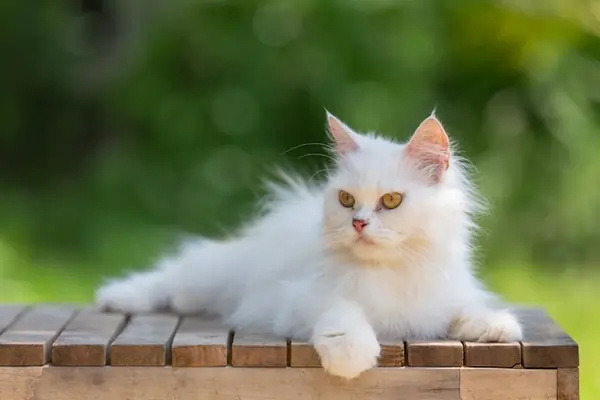
persian cat is an important topic for pet lovers and users searching online. This page provides clear and useful information about persian cat. Understanding details, care tips, pricing, and basic knowledge helps users make better decisions. Whether you are a beginner or experienced, learning about persian cat can improve your overall experience. It is always recommended to check updated information and follow proper guidelines before making any decision. This content is written in simple language to help users easily understand key points. Proper research and awareness will help you choose better options and maintain long term satisfaction. Always focus on quality information and trusted sources for best results.
Persian Cat – The Complete Guide to India's Most Beloved Purebred Cat
The persian cat is the undisputed queen of purebred cats in India. With their breathtakingly beautiful long coats, flat expressive faces, enormous round eyes, and extraordinarily calm and gentle temperament, Persian cats have captured the hearts of cat lovers across the country for decades. In Delhi NCR, Mumbai, Bengaluru, Hyderabad, Chennai, and every major Indian city in between, the Persian cat is by far the most popular and most purchased purebred cat breed. This comprehensive guide covers everything you need to know about Persian cats in India — from their history and characteristics, to current prices from reputable breeders, monthly care costs, health considerations specific to the Indian climate, grooming requirements, and what it genuinely takes to be a good Persian cat owner.
Before you fall completely in love with a Persian kitten's adorable face and decide you must have one, it is important to understand what Persian cat ownership actually involves day to day. These cats require significantly more care than a short-haired cat, have specific health vulnerabilities related to their flat face and flowing coat, and demand a level of grooming commitment that not every prospective owner has anticipated. This guide ensures you are fully informed before making a decision that will affect both your life and your cat's for the next twelve to eighteen years.
History and Origin of the Persian Cat
The Persian cat is one of the oldest known cat breeds, with origins that trace back to ancient Persia — modern-day Iran — where long-haired cats were documented as early as the 1500s. These cats were brought to Europe by Italian traders in the 17th century and quickly became treasured companions of European nobility and royalty. Queen Victoria of England was a noted Persian cat enthusiast, which significantly boosted the breed's popularity across the British Empire and subsequently in British India.
The breed was formally recognised and shown at the first cat show held in the Crystal Palace in London in 1871. From that point, selective breeding progressively developed the Persian's distinctive flat face, increasingly long coat, and compact, cobby body type. The modern Persian — particularly the "peke-face" or "extreme" Persian with the most dramatically flattened face — is quite different from the original Persian cats of a century ago, which had a more moderate facial structure and are now sometimes called "traditional" or "doll-face" Persians.
In India, Persian cats became associated with elegance and status from the colonial era onwards, and this association has persisted into the present day. The Persian cat's gentle temperament, quiet nature, and stunning appearance make it particularly appealing to apartment-dwelling Indian families who appreciate a calm, non-demanding companion. Today, Persian cats account for the majority of purebred cat sales in India by a significant margin.
Persian Cat Price in India – 2025 Guide by Quality and Type
The price of a Persian cat in India varies considerably depending on the type of Persian (extreme/flat-face versus doll-face/traditional), coat colour and quality, pedigree and KCI registration status, gender, and the reputation of the breeder. The following price guide reflects current market rates across India's major cities.
| Persian Type / Category | Price Range (₹) | Key Characteristics | Notes |
|---|---|---|---|
| Basic pet quality (no papers) | ₹15,000 – ₹25,000 | Healthy, local breeder, no KCI registration | Good for pet home, cannot be bred/shown |
| KCI registered, pet quality | ₹25,000 – ₹45,000 | Verified lineage, vaccination records | Most common category for Indian buyers |
| Show quality, KCI registered | ₹45,000 – ₹1,00,000 | Excellent conformation, champion lines | For show enthusiasts and breeders |
| Doll Face / Traditional Persian | ₹20,000 – ₹50,000 | More moderate facial structure, fewer health issues | Increasingly popular for health reasons |
| Chinchilla Persian / Silver Shaded | ₹30,000 – ₹80,000 | Silver or golden tipped coat, green eyes | Highly sought after for distinctive look |
| Exotic Shorthair (Persian cousin) | ₹25,000 – ₹70,000 | Same face as Persian but short coat | Lower grooming needs with Persian look |
Persian Cat Temperament – What to Expect as an Owner
The Persian cat's temperament is one of its defining characteristics and a major reason for its enduring popularity. Persians are calm, gentle, dignified, and deeply affectionate with their trusted human family members. They are not typically lap-cats in the active sense — they do not demand constant attention or follow their owners from room to room as some more demanding breeds do. Instead, they prefer to position themselves nearby, observe their surroundings with serene contentment, and accept affection on their own terms.
Persians are an excellent choice for relatively quiet households. They do not do well in chaotic, noisy environments with constant change and unpredictability. They prefer a calm, consistent routine and can be stressed by loud music, parties, frequent visitors, or the boisterous play of very young children who do not understand the need for gentle interaction. In the right environment — a calm household where they are treated with respect and gentleness — Persians are among the most loving and companionable cats imaginable.
One important temperament characteristic to understand is that Persians are not particularly athletic or active cats. They are content to spend most of their day resting in comfortable spots around the home, occasionally moving to a different perch or engaging briefly in gentle play. They do not have the acrobatic energy of Bengals or the demanding vocal nature of Siamese cats. This makes them excellent apartment cats but means their grooming and health needs require compensation for the activity and stimulation they would naturally get in a more varied outdoor environment.
Persian Cat Grooming – The Most Demanding Aspect of Ownership
Grooming is the single most important and time-consuming aspect of Persian cat ownership, and it is the aspect that most prospective buyers underestimate. A Persian cat's long, flowing double coat is its most spectacular feature but also its greatest maintenance demand. Without daily grooming, the coat mats rapidly — particularly in India's humid conditions — and mats that are left to develop become painful, difficult to remove without sedation, and can harbour skin infections underneath.
Daily brushing is not optional for Persian cats — it is a fundamental care requirement. Using a wide-toothed stainless steel comb and a slicker brush, the entire coat should be carefully combed through once daily, paying particular attention to areas prone to matting: behind the ears, under the armpits, around the collar area, and the belly and back legs. This process takes ten to twenty minutes for a coat in good condition and should begin from kittenhood so the cat accepts and ideally enjoys the process.
Professional grooming every four to six weeks is strongly recommended even for Persian owners who groom daily at home. A professional groomer with Persian cat experience performs a thorough bath with appropriate shampoo, drying, full coat comb-out, nail trimming, ear cleaning, and eye area cleaning. The "lion cut" — where the coat is clipped short except for the face, paws, and tail tip — is a practical option popular among Indian Persian owners, particularly during summer months, as it dramatically reduces grooming time and keeps the cat cooler.
Persian Cat Health – Understanding Brachycephalic Concerns
Persian cats, along with other flat-faced breeds, are brachycephalic — meaning their skulls have been selectively shortened to produce the characteristic flat facial appearance. This structural modification, while producing the distinctive look that Persian fans adore, comes with a range of associated health issues that responsible breeders and informed owners must understand and manage.
The most significant brachycephalic health concerns in Persian cats include breathing difficulties from narrowed nostrils and compressed airways (Brachycephalic Obstructive Airway Syndrome or BOAS), chronic eye discharge and tear staining due to the compressed tear drainage system, dental crowding and malocclusion from the shortened jaw, and skin fold dermatitis in the facial folds where moisture and debris accumulate. The severity of these issues correlates directly with the extremity of the facial flatness — extreme or peke-face Persians have more health challenges than doll-face or traditional Persians.
In India's climate, the breathing issues of brachycephalic Persians are a serious consideration. Delhi summers regularly reach 45°C, conditions under which a Persian cat with compromised airways faces genuine respiratory distress risk. Year-round access to air conditioning is not a luxury for Persian cats in North India — it is a health necessity. Regular eye cleaning with a damp cloth or saline solution is essential daily care for eye discharge management. Skin folds should be gently cleaned and dried regularly to prevent fold dermatitis from developing.
Monthly Cost of Owning a Persian Cat in India
Persian cats are not the least expensive cats to keep. Their grooming requirements — both professional and in terms of grooming products for home care — add significantly to monthly costs compared to short-haired breeds. The following table provides a realistic monthly cost breakdown for Persian cat ownership in major Indian cities.
| Expense Category | Monthly Cost (₹) | Notes |
|---|---|---|
| Premium Cat Food (wet + dry) | ₹2,000 – ₹5,000 | Royal Canin Persian, Hill's, Orijen recommended |
| Professional Grooming | ₹1,000 – ₹2,500 | Every 4-6 weeks; lion cut reduces frequency |
| Home Grooming Products | ₹200 – ₹500 | Shampoo, conditioner, combs, eye wipes |
| Litter and Litter Tray | ₹500 – ₹1,500 | Clumping litter changed every 1-2 weeks |
| Veterinary Care | ₹400 – ₹1,500 | Routine check-ups, vaccinations, dental care |
| Toys and Enrichment | ₹200 – ₹600 | Gentle toys, wand toys, puzzle feeders |
| Air Conditioning (summer) | ₹1,500 – ₹4,000 | Essential for brachycephalic cats in Indian heat |
| Total Estimate | ₹5,800 – ₹15,600 | Higher in summer due to AC requirements |
Feeding Your Persian Cat in India
Persian cats have some specific nutritional considerations that distinguish their dietary needs from the average domestic cat. Their brachycephalic face means that the shape of their jaw can make picking up certain food shapes and sizes uncomfortable — Persian cats typically do better with flat, wide kibble shapes rather than standard round pellets, and many prefer wet food partly because it does not require the same jaw mechanics as crunching dry kibble. Royal Canin produces a Persian-specific dry food with a specially shaped flat kibble designed for the breed's jaw structure.
A diet that includes significant wet food is particularly beneficial for Persians from a urinary health perspective. Like all cats, Persians are descended from desert animals that evolved to get most of their hydration from food rather than drinking water. Indoor cats that eat primarily dry food tend to be chronically mildly dehydrated, increasing the risk of urinary crystals and kidney disease over time. Feeding at least one meal of high-quality wet food daily significantly increases moisture intake and supports long-term urinary and kidney health.
Persian cats can be prone to digestive sensitivity, and hairballs are a particular concern given the volume of fur they ingest through grooming their long coat. Hairball control formulas that contain added fibre to help move ingested hair through the digestive system are available from most premium cat food brands and are a worthwhile consideration for Persian owners. Daily brushing that removes loose hair before the cat ingests it is the most effective preventive measure against hairball problems.
Finding a Reputable Persian Cat Breeder in India
The Persian cat is one of the most frequently exploited breeds in India's pet market, with substandard breeders producing kittens with compromised health and poor socialisation to meet the consistently high demand. Finding a genuinely reputable breeder requires research, patience, and a willingness to ask difficult questions and walk away if the answers are unsatisfactory.
A reputable Persian cat breeder will be registered with the Kennel Club of India's cat section or a recognised feline association, will have their breeding cats regularly health checked by a veterinarian familiar with brachycephalic breed concerns, will not breed from cats with severe airway compromise or extreme structural abnormalities, and will be transparent about the health history of both parents. They will insist on meeting potential buyers and asking questions about the home environment, will provide a comprehensive vaccination and health record, and will offer post-purchase support.
Doll-face Persian breeders deserve special mention. Growing awareness of brachycephalic health issues has led some breeders to focus on producing Persians with a more moderate facial structure — longer nose, less compressed airways, fewer associated health problems. These "doll-face" Persians are increasingly popular among health-conscious buyers and may actually be a better choice for owners who love the Persian temperament and coat but are concerned about the health implications of the extreme flat face. Ask specifically about the degree of facial flatness in a breeder's line and request photos or video of both parents before committing to a kitten.
Frequently Asked Questions About Persian Cats in India
Are Persian cats suitable for hot Indian cities? With proper management, yes — but Persian cats require air-conditioned environments during India's hot season, which is non-negotiable for a brachycephalic breed. In cities like Delhi, Gurgaon, Mumbai, and Chennai, this means year-round access to climate control. Persian cats cannot be kept in homes without air conditioning during the April to June heat peak in most Indian cities.
How often do Persian cats need professional grooming? Every four to six weeks for owners who brush daily at home. Persian cats that are not brushed regularly at home may need professional grooming more frequently to manage mats. Many Indian Persian owners choose the lion cut, which reduces coat length significantly and extends the time between full professional grooming sessions while dramatically reducing the daily brushing burden.
Do Persian cats get along with children and other pets? Persian cats generally get along well with calm, gentle children who respect their need for quiet interaction. They are typically too gentle and non-confrontational to hold their own against boisterous or rough handling from young children and should always be supervised with very young children. They can coexist peacefully with gentle dogs and other cats when properly introduced.
Are Persian cats indoor or outdoor cats? Persian cats should be kept strictly indoors in India. Their long coats pick up dirt, debris, and parasites extremely easily outdoors, their flat faces make them less capable of escaping danger quickly, and they lack the street-smart survival instincts of mixed-breed cats. They are ideally suited to indoor life and thrive in a well-enriched indoor environment with appropriate vertical space, toys, and human companionship.
What is the difference between a Persian and an Exotic Shorthair? The Exotic Shorthair is essentially a Persian with a short, plush coat — they share the same body type, facial structure, and temperament but have dramatically different grooming requirements. Exotic Shorthairs need significantly less grooming than Persians and are a popular choice for buyers who love the Persian look and personality but are not prepared for the daily grooming commitment of the long coat. Prices for Exotic Shorthairs in India range from ₹25,000 to ₹70,000 depending on quality and registration.