German Shepherd Puppy Price in Delhi NCR – Complete Guide
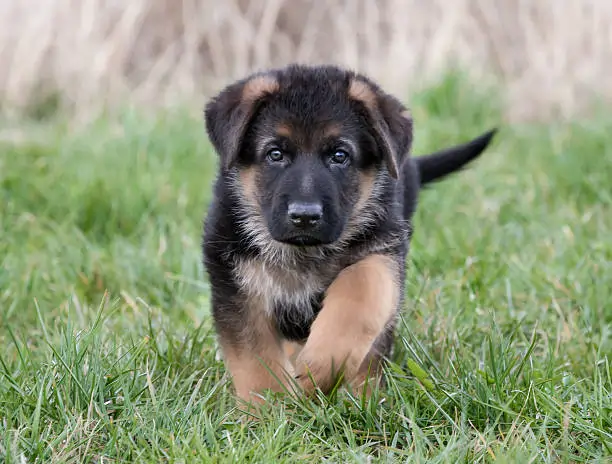
german shepherd puppy price in delhi ncr complete guide is an important topic for pet lovers and users searching online. This page provides clear and useful information about german shepherd puppy price in delhi ncr complete guide. Understanding details, care tips, pricing, and basic knowledge helps users make better decisions. Whether you are a beginner or experienced, learning about german shepherd puppy price in delhi ncr complete guide can improve your overall experience. It is always recommended to check updated information and follow proper guidelines before making any decision. This content is written in simple language to help users easily understand key points. Proper research and awareness will help you choose better options and maintain long term satisfaction. Always focus on quality information and trusted sources for best results.
German Shepherd Puppy Price in Delhi NCR – Complete 2025 Guide
The German Shepherd is arguably the most iconic dog breed in India, and nowhere is its popularity more evident than in Delhi NCR. Whether you have seen them patrolling airports with security forces, working alongside the Delhi Police, or living as beloved family pets in Noida and Gurgaon, the German Shepherd inspires admiration wherever it goes. Known for their intelligence, loyalty, courage, and striking appearance, German Shepherds are as versatile as they are impressive. This comprehensive guide covers everything you need to know before buying a German Shepherd puppy in Delhi, Gurgaon, Noida, or anywhere in the NCR region — from current price ranges and breeder selection to monthly care costs, health considerations, and training tips.
The German Shepherd is not a breed for the unprepared. These dogs are highly intelligent, energetic, and driven — qualities that make them exceptional working dogs but that also demand a committed, active owner who can provide proper training, exercise, and mental stimulation. If you are ready for that commitment, a German Shepherd will be the most loyal, impressive, and rewarding companion you have ever had.
German Shepherd – Breed Overview and History
The German Shepherd Dog (GSD) was developed in Germany in the late 19th century by Captain Max von Stephanitz, who aimed to create the ideal herding dog. Through selective breeding from various German herding and farm dogs, he produced a breed of exceptional intelligence, physical ability, and trainability. The breed was standardised in 1899 with the formation of the Verein für Deutsche Schäferhunde — the Society for German Shepherd Dogs.
Within decades, the German Shepherd transcended its herding origins to become the world's premier working dog. Its service in World War I as a messenger, search-and-rescue, and sentry dog brought it global fame. Today, German Shepherds serve as police K-9s, military dogs, guide dogs for the blind, search-and-rescue dogs, drug detection dogs, and beloved family companions worldwide.
In India, the German Shepherd arrived during the British colonial period and became associated with authority and prestige. Today, they are the breed of choice for the BSF, CRPF, Indian Army, and various state police forces. For families, the German Shepherd represents the ideal combination of protector and companion — a dog that is deeply loyal to its family while being naturally alert to any threat. No other breed matches the German Shepherd's combination of beauty, intelligence, and versatility.
German Shepherd Puppy Price in Delhi NCR – 2025 Price Breakdown
The price of a German Shepherd puppy in Delhi NCR depends significantly on the quality of the bloodline, whether the puppy is KCI registered, the colour and coat type, and whether the parents have working or show dog credentials. Here is a realistic current price guide for 2025 that reflects the actual market in Delhi, Gurgaon, and Noida.
For most Delhi NCR families seeking a loyal companion and home guardian, a KCI-registered puppy in the ₹25,000 to ₹45,000 range from a reputable breeder represents the sweet spot between quality and cost. You can find reputable breeders through the Kennel Club of India's registered breeder directory or by attending Delhi's regular dog shows where top breeders exhibit their dogs.
| Quality Category | Price Range (₹) | Key Features | Best For |
|---|---|---|---|
| Basic pet Quality | ₹15,000 – ₹25,000 | No papers, healthy, local breeder | Family companion, first-time GSD owner |
| KCI Registered | ₹25,000 – ₹45,000 | Verified lineage, vaccination records | Families wanting documented pedigree |
| Show Line | ₹45,000 – ₹80,000 | Championship bloodline, excellent conformation | Show enthusiasts and serious breeders |
| Working Line (Schutzhund/IPO) | ₹60,000 – ₹1,50,000 | High drive, Czech/Slovak/DDR lines | Security work, advanced sport training |
| Import / Dual-Title Parents | ₹1,00,000 – ₹2,50,000 | Imported semen or imported parents, elite bloodline | Professional breeders and trainers |
German Shepherd Colour Varieties and Their Prices
German Shepherds come in several coat colour combinations, and these can significantly affect the price you pay. The classic black-and-tan saddle-back pattern is the most common and recognisable. Solid black German Shepherds are rarer and often command a premium, as do solid white German Shepherds — though the white variety is not recognised by all kennel clubs.
Sable German Shepherds, where each hair is banded with multiple colours giving a wolf-like appearance, are increasingly popular in India for their striking looks. Long-coat German Shepherds — though not always show-eligible — have a devoted following among pet owners who love the majestic appearance of flowing fur. Be aware that long coats require significantly more grooming effort than the standard short-to-medium coat variety.
Bicolour German Shepherds — almost entirely black with tan markings only on the feet, legs, and eyebrows — are another sought-after variety that commands a moderate premium. Regardless of colour, always prioritise health clearances and temperament over coat appearance when selecting a puppy. A beautiful dog with a poor temperament or compromised health is no bargain at any price.
Monthly Cost of Owning a German Shepherd in Delhi NCR
A German Shepherd is a big dog with big needs. Before committing to ownership, it is important to honestly assess whether your budget can support the ongoing costs of this breed. German Shepherds eat more, require more space, need more exercise, and often incur higher veterinary costs than smaller breeds. The table below gives a realistic monthly cost breakdown for Delhi NCR.
Training is a particularly important budget item for German Shepherd owners. A large, powerful, highly intelligent dog without proper training and socialisation is a serious management challenge. Investing in professional training from puppyhood is not optional — it is essential for the safety of the dog, your family, and the public.
| Expense Category | Monthly Cost (₹) | Details |
|---|---|---|
| Premium Dog Food | ₹4,000 – ₹8,000 | Adult GSD needs 400-500g of dry food daily |
| Veterinary Care | ₹800 – ₹2,000 | Routine check-ups, preventive treatments |
| Grooming | ₹1,000 – ₹2,500 | Bathing, brushing, nail trimming |
| Training Classes | ₹2,000 – ₹5,000 | Essential for large, powerful breeds |
| Toys and Enrichment | ₹500 – ₹1,500 | Durable chew toys, fetch toys, puzzle feeders |
| Miscellaneous | ₹500 – ₹1,000 | Treats, bedding replacement, supplements |
| Total Estimate | ₹8,800 – ₹20,000 | Varies by dog's size, age, and health needs |
German Shepherd Health – Common Issues in India
German Shepherds are generally healthy and hardy dogs, but they are predisposed to certain genetic conditions that prospective owners should know about. Hip and elbow dysplasia are the most significant concerns — conditions where the joints do not develop properly, leading to pain, lameness, and arthritis over time. Responsible breeders have their breeding stock X-rayed and evaluated for hip health before breeding. Always ask to see the hip scores of both parents before purchasing a puppy.
Degenerative Myelopathy (DM) is a progressive neurological disease that affects older German Shepherds, causing weakness in the hind legs that gradually worsens. A DNA test can identify dogs that carry the gene, and responsible breeders test for this before breeding. Bloat (gastric dilatation-volvulus or GDV) is a life-threatening emergency more common in deep-chested breeds like German Shepherds — feeding two smaller meals rather than one large one and avoiding vigorous exercise immediately after eating are key preventive measures.
Exocrine Pancreatic Insufficiency (EPI), allergies, and skin conditions are also seen in the breed. Regular check-ups with a knowledgeable veterinarian and prompt attention to any health changes go a long way in catching and managing these issues early. If you ever face a health emergency with your GSD outside normal clinic hours, knowing the location of the nearest 24-hour emergency veterinary hospital in Delhi NCR could save your dog's life.
Feeding Your German Shepherd in India
Nutrition is foundational to your German Shepherd's health, energy, and longevity. As a large, active breed, GSDs have high protein and caloric needs. Premium dry kibble formulated for large breeds is the most practical choice for most Indian pet owners — brands like Royal Canin German Shepherd Breed Specific, Orijen Large Breed, and Hill's Science Diet Large Breed are widely available in Delhi NCR.
Many Indian GSD owners supplement dry food with home-cooked meals: boiled chicken (without onion and garlic, which are toxic to dogs), boiled eggs, paneer, and cooked vegetables like carrots and peas can be excellent and cost-effective additions. Raw feeding — biologically appropriate raw food (BARF) — has a growing following among enthusiast GSD owners in Delhi, but requires careful planning to ensure complete nutritional balance.
Fresh, clean water must always be available. During Delhi summers, ensure your GSD has access to water throughout the day and monitor for signs of dehydration such as dry gums, lethargy, and reduced urination. Puppies require more frequent, smaller meals — three to four times daily until six months, then twice daily as the dog matures into adulthood.
Training a German Shepherd – Essential for Delhi NCR Owners
Training is not optional for German Shepherd ownership — it is a moral and practical necessity. A German Shepherd that lacks structure and training is a dog with the intelligence and power to cause real problems. Properly trained, a GSD is a joy — responsive, obedient, and deeply fulfilling to work with every single day. The good news is that German Shepherds are among the easiest breeds to train.
Begin socialisation and basic obedience from the moment your puppy comes home. Expose the puppy to different people, environments, sounds, vehicles, and animals in a calm, positive way. Enrol in a professional training class as soon as your pup has completed its initial vaccinations. Group classes provide the dual benefit of structured learning and valuable socialisation with other dogs and handlers.
For owners interested in advanced training — protection work, agility, or Schutzhund/IPO sport — Delhi NCR has several reputable training clubs. This level of engagement is highly recommended for working-line German Shepherds, which have high energy and drive that need a productive outlet. Without adequate mental and physical stimulation, these dogs can become anxious, restless, and potentially destructive in a home environment.
Vaccination Schedule for German Shepherd Puppies
Like all puppies, German Shepherd pups need a carefully timed vaccination programme to protect them during their most vulnerable early months. Below is the standard vaccination schedule recommended by veterinarians across Delhi NCR. Always maintain a vaccination record and bring it to every veterinary appointment.
| Age | Vaccine / Treatment | Importance |
|---|---|---|
| 6 weeks | First deworming | Critical — internal parasites are common in puppies |
| 8 weeks | DHPPiL vaccine (first dose) | Core vaccine protecting against 5 major diseases |
| 12 weeks | DHPPiL booster + Rabies vaccine | Rabies legally mandatory; boosts core protection |
| 16 weeks | DHPPiL second booster | Completes initial vaccination series |
| 6 months | Tick/flea prevention + deworming | Ongoing parasite control especially in monsoon |
| 12 months | Annual booster + Rabies booster | Maintained annually throughout the dog's life |
Finding a Reputable German Shepherd Breeder in Delhi NCR
The German Shepherd breeding landscape in India includes genuinely excellent breeders alongside a disturbing number of irresponsible ones. Puppy mills and backyard breeders produce puppies with poor genetics, inadequate socialisation, and no health testing — dogs that look like GSDs but may have serious temperament or health problems. Here is how to find reputable breeders in Delhi NCR.
Start by contacting the Kennel Club of India (KCI) for their registered breeder directory. Visit dog shows in Delhi where top breeders exhibit their dogs — this is an excellent way to meet passionate, knowledgeable breeders face to face. Ask for referrals from GSD owners you know or from your veterinarian. When visiting a breeder, observe the cleanliness of the premises, the temperament of the adult dogs, and how the puppies interact with humans.
All animals should be friendly, curious, and well-socialised. Demand to see health clearances for both parents including hip scores. A good breeder will never pressure you and may have a waiting list — because quality takes time and responsible breeders do not over-breed their dogs. If the breeder always has puppies immediately available in multiple litters, that is a significant red flag worth heeding.
German Shepherd FAQs for Delhi NCR Buyers
Can German Shepherds live in Indian apartments? While GSDs can adapt to apartment life if adequately exercised, they are ideally suited to homes with yards. If you live in a flat in Delhi or Noida, commit to at least 90 minutes of vigorous daily exercise split across two sessions. Without adequate physical activity, a GSD will become restless and potentially destructive.
Are German Shepherds good with children? Yes — a well-bred, well-trained, and well-socialised German Shepherd is wonderful with children. They are patient, gentle, and naturally protective of family members. Early socialisation with children from puppyhood is the key to a harmonious relationship.
How do German Shepherds handle Delhi summers? GSDs can handle heat reasonably well but should not be exercised during peak afternoon heat between noon and four in the afternoon during summer months. Provide shade, fresh water, and if possible, access to air-conditioned rest space during the hottest part of the day.
Is a German Shepherd a good first dog? A GSD can be a good first dog for a committed, active owner who is willing to invest in training and socialisation. However, they are not recommended for people who want a low-maintenance pet or cannot commit to significant daily exercise and mental stimulation. Novice owners should strongly consider working with a professional trainer from day one.