Pomeranian - Complete Guide
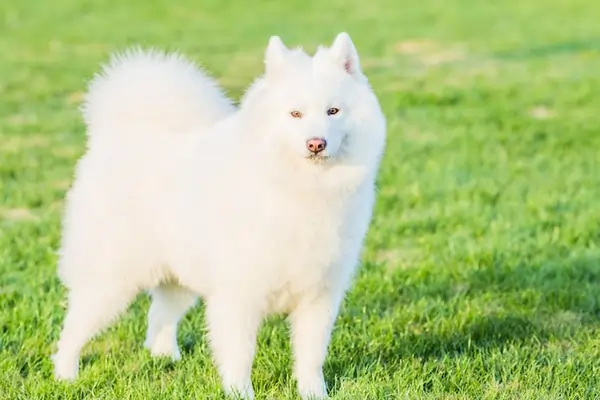
pomeranian is a small companion dog famous for its fluffy coat and lively personality. Despite its tiny size, it is highly alert and often acts as a watchdog. This breed adapts well to apartment living in India, making it a popular urban pet. Regular grooming is necessary to maintain its thick fur and prevent tangles. Pomeranians enjoy attention and interaction, so consistent bonding and light training are important. With proper care, nutrition, and hygiene, they remain energetic and affectionate companions for years.
Pomeranian – The Complete Guide to India's Most Popular Toy Breed
The pomeranian is India's most beloved toy dog — a tiny, fluffy, fox-faced bundle of personality who makes up in character and charm what it lacks in physical size. With their spectacular double coat, bright inquisitive eyes, and the confident bearing of a dog that has absolutely no idea how small it is, Pomeranians are endlessly delightful companions who have won the hearts of apartment dwellers, families, and single professionals across every Indian city. These are dogs of genuine intelligence, surprising boldness, and deep affection for their chosen human family. This comprehensive guide covers everything Indian dog lovers need to know about Pomeranians — from their fascinating history as working sled dogs to their current status as India's premier small companion breed, including current prices, health considerations, grooming requirements, training tips, and monthly care costs.
Despite their luxurious appearance and lap-dog associations, Pomeranians are descended from large working spitz breeds and retain more of their ancestors' spirit than their size suggests. They are curious, adventurous, and vocal — qualities that make them wonderful companions for people who appreciate an engaged, interactive small dog, and potentially challenging for those expecting a passive, undemanding pet. Understanding the Pomeranian's genuine temperament before purchase ensures a harmonious match between dog and owner.
History and Origin of the Pomeranian
The Pomeranian takes its name from the Pomerania region that spans modern-day northeastern Germany and northwestern Poland, where it was developed from larger Arctic spitz-type working dogs. The breed's ancestors were substantially larger — estimates suggest the original Pomeranian-type dogs weighed 13 to 14 kilograms, far larger than the 1.5 to 3.5 kilogram toy dogs of today. These larger ancestors worked as herding and sled dogs in the cold Baltic region, pulling loads and managing livestock with the energy and intelligence characteristic of spitz breeds.
The breed was brought to the attention of the British royal family in 1767 when Queen Charlotte of Mecklenburg-Strelitz (herself from near Pomerania) brought two white Pomeranians to England. However, it was Queen Victoria who truly elevated the breed to its modern toy form — during her 1888 visit to Italy she encountered smaller Pomeranians and returned with several, actively promoting their breeding and substantially reducing the breed's size over the decades of her active involvement. The reduction in size from working dog to toy companion was rapid and dramatic under Victoria's influence, and the modern Pomeranian's pocket-sized form is largely her legacy.
In India, Pomeranians arrived during the colonial period and established themselves quickly as fashionable companions. Today they are consistently among the top three most registered small breeds in India, available through breeders in every major city and deeply embedded in India's urban pet culture.
Pomeranian Price in India – 2025 Guide
Pomeranian prices in India vary considerably based on coat quality, colour, size, pedigree, and the reputation of the breeder. The classic orange-sable colouration remains the most common, while white, black, cream, parti-colour, and the fashionable "bear-face" type (with a more rounded facial expression) command premiums based on current demand. Teacup or miniature Pomeranians — the extremely small individuals below 1.5 kg — are often sold at very high prices but carry significant additional health risks and should be approached with caution.
| Category | Price Range (₹) | Colour / Type | Notes |
|---|---|---|---|
| Pet quality, no papers | ₹8,000 – ₹18,000 | Standard colours, no documentation | Companion pet; verify health at purchase |
| KCI registered, pet quality | ₹18,000 – ₹35,000 | All standard colours, verified lineage | Most common choice for informed buyers |
| Show quality, registered | ₹35,000 – ₹75,000 | Excellent coat, conformation, pedigree | For show enthusiasts and breeders |
| White or Black Pomeranian | ₹25,000 – ₹60,000 | Pure white or solid black — rarer colours | Colour premium; same health considerations |
| "Teacup" / Very Small | ₹40,000 – ₹1,00,000 | Under 1.5 kg — abnormally small | Higher health risks; approach with caution |
Pomeranian Temperament – Big Personality in a Small Package
The Pomeranian's personality is famously disproportionate to its body — these dogs are confident, extroverted, and remarkably bold for their size. They have no apparent awareness of being small and will readily challenge dogs many times their size if insufficiently socialised or if encouraged in bold behaviour by owners who find it amusing in a tiny dog. This boldness is an endearing quality when properly channelled but can lead to dangerous confrontations with larger dogs or the development of Small Dog Syndrome — the collection of demanding, unruly behaviours that emerge in toy breeds whose owners fail to provide the consistent structure appropriate for any dog regardless of size.
Pomeranians form intensely devoted bonds with their primary person or family and show this affection through constant proximity, attention-seeking behaviours, and a degree of jealousy that can be both flattering and challenging in multi-pet households. They are typically good with children who are old enough to handle them gently — Pomeranians' small size makes them vulnerable to injury from rough or clumsy handling that they cannot simply absorb. They can be reserved with strangers and are surprisingly effective alarm dogs despite their small size, vocalising readily when they perceive potential threats.
The Pomeranian's intelligence is genuine and high. They learn quickly, remember what they learn, and adapt their behaviour based on what produces the outcomes they want — which means they can develop manipulative behaviours toward indulgent owners with equal speed. training a Pomeranian requires the same consistent, positive-reinforcement approach used for any intelligent dog — the fact that they are small does not make inconsistent training acceptable or its consequences less significant for the dog's wellbeing.
Pomeranian Grooming – Managing the Magnificent Coat
The Pomeranian's spectacular double coat is its most striking physical feature and its most significant maintenance requirement. The coat consists of a soft, dense undercoat and a longer, harsher outer coat that stands away from the body, creating the characteristic fluffy appearance. Without regular grooming, the undercoat mats and the outer coat tangles, leading to skin problems underneath that may not be visible until they have progressed significantly. Regular home brushing and periodic professional grooming are essential rather than optional for Pomeranian owners.
Daily brushing with a pin brush and a stainless steel comb takes ten to fifteen minutes and should be established as a routine from the earliest weeks of ownership. Pay particular attention to areas prone to matting — behind the ears, under the front legs, and around the collar area. Professional grooming every six to eight weeks covers a thorough bath, blow-dry, brush-out, nail trimming, ear cleaning, and coat tidying. Many Indian Pomeranian owners opt for a "teddy bear trim" or "lion cut" during summer months to reduce coat volume and improve comfort in the heat — this is a practical choice, though it does require the coat to be grown out again for winter.
Pomeranian Health Considerations in India
Pomeranians are generally hardy little dogs with good lifespans of 12 to 16 years, but they have specific health vulnerabilities that Indian owners should understand and monitor for. Patellar luxation — where the kneecap slips out of its normal position — is the most common orthopaedic problem in toy breeds including Pomeranians. Mild cases may cause intermittent skipping or lameness and can often be managed conservatively; severe cases may require surgical correction. Examine any Pomeranian puppy for patellar stability before purchase and choose a breeder who screens breeding stock.
Alopecia X — also called Black Skin Disease or coat funk — is a hormonal condition that causes progressive hair loss in Pomeranians and other spitz breeds, leaving the skin darkly pigmented and the coat severely thinned or absent. The condition is not life-threatening but can be distressing for owners. Tracheal collapse — progressive weakening of the tracheal cartilage rings — causes a characteristic honking cough and can progress to serious breathing difficulty in severely affected dogs. Using a harness rather than a neck collar reduces tracheal stress in Pomeranians. Hypoglycaemia (low blood sugar) is a risk in very small puppies and in undersized teacup-type individuals, requiring careful feeding management with multiple small meals daily.
| Health Issue | Signs | Prevention / Management | Frequency in Breed |
|---|---|---|---|
| Patellar Luxation | Skipping gait, occasional three-legged walk | Screen breeding stock; surgical repair for severe cases | Very common |
| Alopecia X (Black Skin Disease) | Progressive coat loss, darkened skin | Neutering often helps; no guaranteed cure | Moderate in spitz breeds |
| Tracheal Collapse | Honking cough, especially with excitement | Harness instead of collar; weight management; medication | Moderate — more common in tiny individuals |
| Dental Disease | Bad breath, difficulty eating, tartar buildup | Daily brushing; regular professional cleaning | Very high — small breeds universally affected |
| Hypoglycaemia | Weakness, trembling, collapse in puppies | Multiple small meals; avoid fasting in young puppies | High in very small individuals |
Monthly Cost of Owning a Pomeranian in India
Pomeranians are relatively affordable to keep despite their high-maintenance coat, primarily because their small size means their food costs are modest and their exercise requirements are met through indoor play and short outdoor walks. The largest ongoing investment for most Pomeranian owners is professional grooming, which is genuinely important for coat and skin health and should be budgeted consistently rather than skipped to save money.
| Expense | Monthly Cost (₹) | Notes |
|---|---|---|
| Premium Small Breed Food | ₹1,200 – ₹2,500 | Small portion size; choose quality over economy |
| Professional Grooming | ₹800 – ₹1,500 | Every 6-8 weeks; essential for coat health |
| Veterinary Care | ₹400 – ₹1,200 | Routine check-ups, vaccines, patellar monitoring |
| Dental Care Products | ₹200 – ₹500 | Toothbrush, toothpaste, dental chews |
| Toys and Enrichment | ₹200 – ₹600 | Puzzle toys, soft toys, interactive play items |
| Parasite Prevention | ₹200 – ₹600 | Monthly flea and tick prevention |
| Total Estimate | ₹3,000 – ₹6,900 | Very manageable for a toy breed |
Frequently Asked Questions About Pomeranians in India
Are Pomeranians good apartment dogs? Excellent apartment dogs — their small size, moderate exercise requirements, and adaptability to indoor living make them ideal for apartment residents across Indian cities. They do vocalise readily and neighbours should be considered; training to manage barking is important for apartment living.
Do Pomeranians shed a lot? Yes — their dense double coat sheds year-round with two heavy shedding seasons annually. Regular brushing dramatically reduces the volume of loose hair in the home but shedding cannot be eliminated. Anyone with severe dog hair aversion should consider a lower-shedding breed.
What is the ideal food for a Pomeranian in India? A premium small-breed dry kibble as the dietary foundation, supplemented with small amounts of boiled chicken, eggs, or soft cooked vegetables. Avoid free-feeding — measure portions carefully to prevent obesity, which significantly worsens patellar luxation and other joint conditions.
At what age should a Pomeranian be neutered in India? Standard recommendation is six months for females and six to twelve months for males, though some veterinarians recommend waiting until twelve months for complete hormonal development. Discuss timing with your veterinarian. Neutering female Pomeranians early significantly reduces mammary tumour risk and prevents pyometra.
Pomeranian Nutrition and Weight Management in India
Nutrition and weight management are particularly important for Pomeranians because the breed's tendency toward both excessive enthusiasm for food and the health consequences of obesity — worsened patellar luxation, increased tracheal stress, reduced energy, and shortened lifespan — make careful dietary management a genuinely important health intervention rather than merely an aesthetic concern. A Pomeranian that is visibly round rather than showing a definite waist when viewed from above is overweight by definition, regardless of how normal it may appear to untrained eyes accustomed to seeing pudgy dogs presented as normal.
The ideal Pomeranian diet is a measured quantity of quality small-breed dry kibble — with the specific quantity based on the dog's individual weight, activity level, and the food manufacturer's guidelines — supplemented with small amounts of healthy fresh foods such as plain boiled chicken, cooked egg, or soft vegetables. The critical word is measured — free-feeding Pomeranians results in obesity at a rate that is both alarming and entirely predictable. A kitchen scale for measuring food portions is a worthwhile investment for any Pomeranian owner, as the difference between a slightly too-large portion and the correct portion, multiplied across every meal across the dog's lifespan, has a significant cumulative impact on body condition.
Treats are a powerful training tool for the food-motivated Pomeranian but must be accounted for within the total daily caloric intake. High-value treats such as tiny pieces of chicken or cheese are highly effective training reinforcers at quantities so small they contribute negligible calories. The use of the dog's regular kibble as training treats — reducing the meal portion accordingly — is a calorie-neutral approach that leverages food motivation without adding caloric burden. Regular weighing — monthly is sufficient for adults in stable condition — enables early detection of weight creep before it has progressed to clinical obesity.
The Pomeranian rewards the owner who takes its needs seriously with a companion of extraordinary charm, intelligence, and affection that punches so far above its weight class in terms of personality that the modest effort required seems entirely trivial in retrospect.
Pomeranian Socialisation and Training Tips
Socialising a Pomeranian from puppyhood is essential for preventing the fearfulness and defensive aggression that can develop in toy breeds that have been over-protected rather than confidently exposed to the world. Despite their small size, Pomeranians should be treated exactly as a larger dog in terms of socialisation exposure — introduced to a wide range of people, children, other dogs, sounds, and environments during the critical window before 16 weeks of age. Over-carrying the puppy — holding it away from the ground and preventing it from meeting the world on its own four feet — deprives it of the self-confidence that ground-level experience provides.
Training a Pomeranian is both easier than its stubborn reputation suggests and more demanding than its cute appearance implies. These are intelligent dogs that learn quickly — both the things you intentionally teach and the things you inadvertently reward with attention or laughter. The key is consistency: applying the same rules every time, rewarding desired behaviours immediately and reliably, and never allowing the dog's small size to be a reason for excusing behaviour that would not be acceptable from a larger dog. A Pomeranian that snaps, growls at guests, or refuses to come when called is a Pomeranian whose owner has been inconsistent — not a breed characteristic. Short, positive, food-rewarded training sessions of five minutes twice daily produce rapid, lasting results in this motivated and intelligent breed.
Whatever Pomeranian you choose — show quality or companion, orange sable or pristine white, Greater or Lesser — approach ownership with the consistency, affection, and genuine engagement that this intelligent, spirited breed deserves. In return, you will have one of the most entertaining, most devoted, and most characterful companions the small dog world has to offer.
Owning a Pomeranian in India is a commitment that rewards every effort you invest — in health monitoring, in quality nutrition, in consistent training, and in the genuine relationship that develops between an engaged owner and a well-cared-for companion dog over years of shared life. The breed deserves your best, and when it receives it, what it returns exceeds every expectation.
Every year that you invest in your dog's preventive health care, consistent training, and genuine social engagement returns compounding benefits in the form of a healthier, more balanced, more rewarding companion. The dogs that receive this investment are the dogs that live longest, happiest, and most fully — and the owners who provide it are the ones who look back on the relationship with the deepest satisfaction and the fewest regrets.