Rabbit - Complete Guide
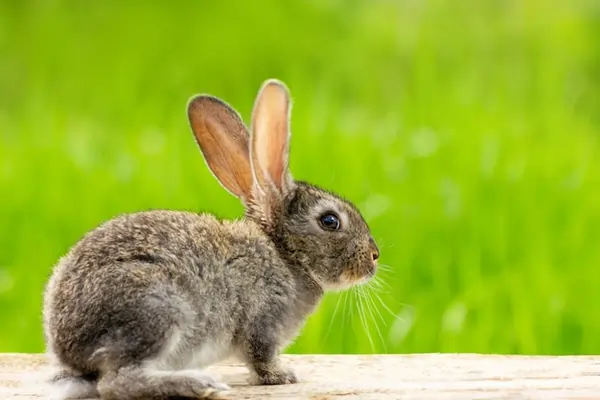
rabbit is a gentle and social pet that requires proper care and attention. It needs a spacious enclosure, clean bedding, and regular exercise outside the cage. Rabbits thrive on a diet rich in hay, vegetables, and pellets. Maintaining dental health and hygiene is important for their wellbeing. They form strong bonds with owners and require regular interaction. Proper care ensures a long and healthy life.
Rabbit – The Complete Pet Care Guide for Indian Households
Rabbits are among the most misunderstood pets in India — acquired in large numbers as "low-maintenance" alternatives to dogs and cats, and far too frequently kept in conditions of genuine deprivation that reflect widespread misinformation about what these remarkable animals actually need. The reality of rabbit keeping is very different from the "just needs a small hutch and some grass" misconception — rabbits are intelligent, social, long-lived animals with complex behavioural, nutritional, and environmental needs whose fulfilment is the difference between a rabbit that thrives as a genuinely engaging family companion and one that suffers chronic physical and psychological deprivation in conditions that, despite their keeper's well-meaning intentions, are genuinely inadequate. This comprehensive guide provides the accurate, current information that produces thriving rabbits in Indian homes — covering appropriate housing, the correct diet that most Indian rabbit owners do not know about, social needs, health management including the veterinary emergencies that must be recognised immediately, and the genuine pleasures of rabbit keeping when done well.
Rabbits are prey animals with specific welfare needs that differ substantially from dogs and cats. They do not naturally seek human interaction, cannot vocalise pain or distress loudly, and hide illness until it is advanced — qualities that make attentive observation and proactive veterinary care essential rather than reactive. The Indian pet owner who approaches rabbit keeping with accurate information provides an experience for both the rabbit and themselves that completely validates the choice of this species as a companion animal.
Rabbit Breeds Available in India
Several rabbit breeds are available in India through pet shops, breeders, and increasingly through rabbit rescue organisations. Breed characteristics affect temperament, grooming requirements, and space needs, and understanding these differences helps Indian households choose the most appropriate breed for their specific circumstances.
The New Zealand White — a large, all-white breed originally developed for meat production — is among the most commonly available rabbits in India and is known for its generally calm temperament, making it a reasonable choice for families. Angora Rabbits, available in multiple varieties (English, French, Giant, Satin Angora), have extraordinarily long, silky coats that require daily grooming to prevent the matting and wool block that can be fatal if the rabbit ingests excessive amounts of its own fur — a breed for dedicated groomers, not casual owners. Mini Lop and Holland Lop rabbits — smaller breeds with distinctive floppy ears — are popular for their endearing appearance and manageable size. Mixed-breed or "common" rabbits available from vegetable markets and some pet shops are often the most resilient and healthiest options, as selective breeding in pure breeds has introduced hereditary health vulnerabilities not present in the more genetically diverse common rabbit.
| Breed | Adult Weight | Grooming Needs | Price Range (₹) |
|---|---|---|---|
| New Zealand White | 4-5 kg | Weekly brushing | ₹300 – ₹1,000 |
| Angora (various) | 3-5 kg | Daily grooming — high commitment | ₹1,000 – ₹5,000 |
| Holland Lop / Mini Lop | 1.5-3 kg | Weekly brushing; ear monitoring | ₹1,500 – ₹6,000 |
| Dutch Rabbit | 1.5-2.5 kg | Minimal — short coat | ₹500 – ₹2,000 |
| Mixed Breed / Common Rabbit | 2-4 kg | Minimal to weekly | ₹200 – ₹800 |
| Lionhead Rabbit | 1.3-1.7 kg | Regular mane grooming | ₹2,000 – ₹8,000 |
The Critical Importance of Correct Rabbit Diet
Rabbit nutrition is the area where Indian rabbit keeping most commonly goes wrong, and the area where accurate information produces the most immediate and significant health improvements. The widespread Indian practice of feeding rabbits primarily on vegetables, fruits, pellets, and occasional grass — while restricting hay to a token amount — is directly responsible for the high rates of dental disease, gastrointestinal stasis, and obesity that make many Indian pet rabbits' lives shorter and less comfortable than appropriate nutrition would allow.
The correct rabbit diet is 80-90 percent high-quality grass hay (timothy hay, orchard grass hay, or oaten hay) — freely available at all times and constituting the overwhelming majority of the diet. This is not a suggestion or a supplementary addition; it is the biological requirement of a herbivore whose continuously growing teeth depend on the abrasive action of long-fibre hay to maintain correct dental wear, whose digestive motility depends on the fibre content of hay to function correctly, and whose gut microbiome requires the specific fibres found in long-stem hay rather than the concentrated nutrition of pellets and vegetables.
Fresh leafy greens — a varied selection including coriander, mint, basil, romaine lettuce (not iceberg), leafy kale, and various fresh herbs — should be provided daily in a quantity approximately equivalent to a packed handful per kilogram of body weight. Pellets should be offered in small, measured quantities (approximately one tablespoon per kilogram of body weight daily) as a nutritional supplement rather than a dietary foundation. Fruits and starchy treats should be strictly limited — tiny amounts of apple, strawberry, or papaya as occasional rewards, not daily food. Fresh water must always be available through both a water bottle and a heavy ceramic bowl — some rabbits strongly prefer drinking from bowls, and adequate water intake is critical for kidney and urinary tract health.
Housing Rabbits Appropriately in India
Appropriate rabbit housing in India requires overcoming the widespread assumption that a small cage or hutch is adequate long-term accommodation. Rabbits need space to run, jump, and perform the binkying behaviour (spontaneous jumping and twisting that expresses happiness and well-being) that characterises physically and psychologically healthy rabbits. The minimum enclosure size for a single rabbit is 150 cm x 60 cm floor space — roughly equivalent to a large dog crate — with this representing a minimum sleeping and safety area rather than the entire range the rabbit should access daily.
Free-roaming time outside the enclosure is essential for rabbit welfare — at minimum three to four hours daily of safe free-roaming in a rabbit-proofed room or outdoor run. Rabbit-proofing involves protecting electrical cables (rabbits chew cables, creating electrocution risk), removing toxic plants, blocking access under furniture where rabbits can become trapped, and covering flooring that provides inadequate grip for rabbit running and jumping. Many Indian rabbit owners who have discovered the pleasure of allowing their rabbit to free-roam in the home find that the rabbit's personality, playfulness, and willingness to engage with people dramatically increases when their movement is not chronically restricted to a small cage — a direct reflection of the psychological health that appropriate freedom of movement supports.
Rabbit Social Needs
Rabbits are social animals that live in groups in the wild, and keeping single rabbits without appropriate social companionship causes genuine psychological deprivation that expresses itself as depression, lethargy, excessive sleeping, loss of interest in the environment, and reduced lifespan. The ideal companionship for a rabbit is another rabbit — a neutered pair or small group provides the continuous social interaction, mutual grooming, and companionship that rabbits need and that human interaction, however generous and attentive, cannot fully substitute for. Bonded rabbit pairs spend hours daily in close physical contact, engaging in the mutual grooming that is one of the most visible expressions of rabbit social health.
Introducing a second rabbit requires the "bonding" process — a gradual introduction in neutral territory that allows the rabbits to establish their relationship without territorial conflict from the resident rabbit's established home area. Rabbit bonding can be straightforward or challenging depending on the individual rabbits' personalities, and the guidance of experienced rabbit rescuers or rabbit-knowledgeable veterinarians in India significantly improves bonding success rates. Neutering before bonding is strongly recommended — it reduces hormonal aggression dramatically, makes bonding easier, and prevents unwanted litters from mixed-sex pairs.
Rabbit Health Emergencies Every Indian Owner Must Know
Rabbits are stoic prey animals that hide illness until it is severe — by the time a rabbit shows obvious signs of being unwell, the condition has often been developing for days and requires immediate veterinary attention. Understanding the signs that demand same-day emergency veterinary care can save a rabbit's life in India where rabbit-knowledgeable veterinarians are not universally available and emergency rabbit care requires prompt action.
| Emergency Condition | Signs | Required Action | Why It Is Critical |
|---|---|---|---|
| Gastrointestinal (GI) Stasis | No droppings for 12+ hours; not eating; hunched posture; bloated abdomen | Veterinary attention within hours | The gut stops moving; can be fatal within 24-48 hours without treatment |
| Flystrike (Myiasis) | Maggots visible on skin; wet, soiled rear end | Emergency vet immediately | Flies lay eggs on soiled rabbit; maggots eat living tissue; rapidly fatal |
| Heat Stroke | Laboured breathing; weakness; collapse; rectal temperature above 40°C | Cool immediately; emergency vet | Rabbits die very quickly of heat stroke above 30°C ambient temperature |
| Head Tilt (E. cuniculi) | Sudden tilting of head to one side; rolling; loss of balance | Veterinary attention same day | Encephalitozoon cuniculi parasite or inner ear infection requiring prompt treatment |
| Dental Disease | Drooling; difficulty eating; wet chin; weight loss | Veterinary assessment within days | Overgrown or malaligned teeth prevent eating and cause chronic pain |
Monthly Cost of Keeping a Rabbit in India
| Expense | Monthly Cost (₹) | Notes |
|---|---|---|
| Grass Hay (timothy or orchard grass) | ₹400 – ₹1,200 | The most important and most expensive ongoing food cost |
| Fresh Leafy Greens | ₹200 – ₹500 | Daily varied supply; coriander, mint, romaine, herbs |
| Quality Pellets (small quantity) | ₹150 – ₹400 | Supplement only; small measured amounts |
| Litter and Cage Substrate | ₹200 – ₹600 | Paper-based litter; rabbit litter trained in tray |
| Veterinary Care (amortised) | ₹400 – ₹1,200 | Annual check-up; dental monitoring; neutering amortised |
| Total Estimate | ₹1,350 – ₹3,900 | Hay cost is the primary ongoing expense; cannot be reduced |
Frequently Asked Questions About Rabbits in India
Do rabbits make good pets for children? Rabbits are generally not ideal pets for young children — they are prey animals that dislike being picked up and restrained, are fragile enough to be seriously injured by rough handling, and do not tolerate the unpredictable noise and movement of young children well. Older children (10+) who are taught to interact with rabbits appropriately — quietly, at the rabbit's pace, on the floor rather than picking up — can have wonderful relationships with rabbits. Adult supervision of all child-rabbit interaction is essential.
Can rabbits be kept outdoors in India? Outdoor rabbit keeping in India carries significant risks — predator attacks from dogs, cats, and birds of prey; extreme heat during summer; monsoon-related dampness and cold; and increased fly/maggot risk in warm humid conditions. Indoor keeping in a temperature-controlled environment provides significantly better protection from these risks. If outdoor housing is used, it must be fully predator-proof, sheltered from direct sun, kept clean to prevent flystrike, and brought indoors during extreme weather.
Do rabbits need vaccinations in India? Vaccination protocols for Indian pet rabbits are less established than in the UK and Europe where Rabbit Viral Haemorrhagic Disease (RVHD) and myxomatosis require routine vaccination. Consult a rabbit-knowledgeable veterinarian in your Indian city about current disease risks and vaccination availability in your specific area. Regular veterinary check-ups including dental assessment are the highest-return preventive health investment for Indian pet rabbits regardless of vaccination protocol.
How long do pet rabbits live? Well-cared-for pet rabbits typically live 8 to 12 years — considerably longer than many Indian rabbit owners expect. This longevity is an important consideration when acquiring a rabbit — it is a long-term commitment that should be planned for seriously. Rabbits that live this long do so because they have received excellent nutrition (primarily hay), appropriate space, good veterinary care including dental management, and the social companionship that rabbit welfare requires.
Rabbit-Proofing Your Indian Home for Free-Roaming
Free-roaming time outside the enclosure is one of the most important welfare provisions for pet rabbits, and rabbit-proofing the spaces where rabbits roam freely is an essential precondition for safe, unsupervised access. Indian homes present several specific rabbit-proofing challenges that must be addressed before a rabbit is given free access to any room. Electrical cables are the primary safety concern — rabbits instinctively chew cables, and contact with live electrical current is immediately fatal. All electrical cables within rabbit height must be protected with cable management channels, flexible cable protectors, or simply removed to inaccessible positions. This cable protection is not optional — it is life or death for a free-roaming rabbit in any home.
Toxic plants represent the second major indoor hazard — many common Indian houseplants are toxic to rabbits, including Dieffenbachia (dumb cane), Philodendron, Pothos, Peace Lily, Sago Palm, and various other common indoor ornamental plants. Identifying and removing or blocking access to all plants in rooms where rabbits roam is essential, as rabbits will investigate and chew any plant they encounter. Gaps beneath and behind furniture where rabbits can become trapped or hide inaccessibly should be blocked. Cabinets, bookshelves, and storage areas with openings that allow rabbit entry should be sealed, as rabbits that access these spaces may chew stored items or become trapped and stressed.
The investment in rabbit-proofing is repaid many times over in the quality of the free-roaming experience that appropriate indoor space provides — a rabbit that can run, jump, binky, and explore freely in a safe indoor environment is a rabbit demonstrating the psychological health that appropriate freedom of movement supports. Indian rabbit owners who have made this investment consistently report that their rabbits' personalities, engagement with their owners, and overall visible wellbeing dramatically improve once free-roaming access is provided — confirming that the effort of rabbit-proofing is among the highest-return welfare investments available to rabbit owners.
The rabbit, kept well, is one of the most genuinely rewarding companion animals available to Indian households — intelligent, communicative, individual in personality, and capable of the kind of human-animal relationship that few people who have not kept rabbits correctly would predict from an animal so commonly kept badly. This guide has provided the foundation for keeping rabbits well. The rest is the daily pleasure of discovering what that quality of care produces in the specific, individual animal living it in your home.
Approach rabbit keeping with the knowledge this guide provides, the genuine commitment to providing what the animal needs rather than merely what is convenient, and the patient attention that allows their natural behaviour and individual personalities to emerge — and you will find in them a quality of small pet companionship that entirely repays every investment of care, knowledge, and daily attentiveness that responsible small animal ownership requires.
The small animals described in this guide represent some of India's most underappreciated companion animal options — animals whose genuine qualities, when understood and responded to with appropriate care, produce experiences of daily engagement, natural behaviour observation, and quiet companionship that enrich the lives of their keepers in ways that no other hobby quite replicates. Care for them well, and they will reward that care with everything they have to offer.